
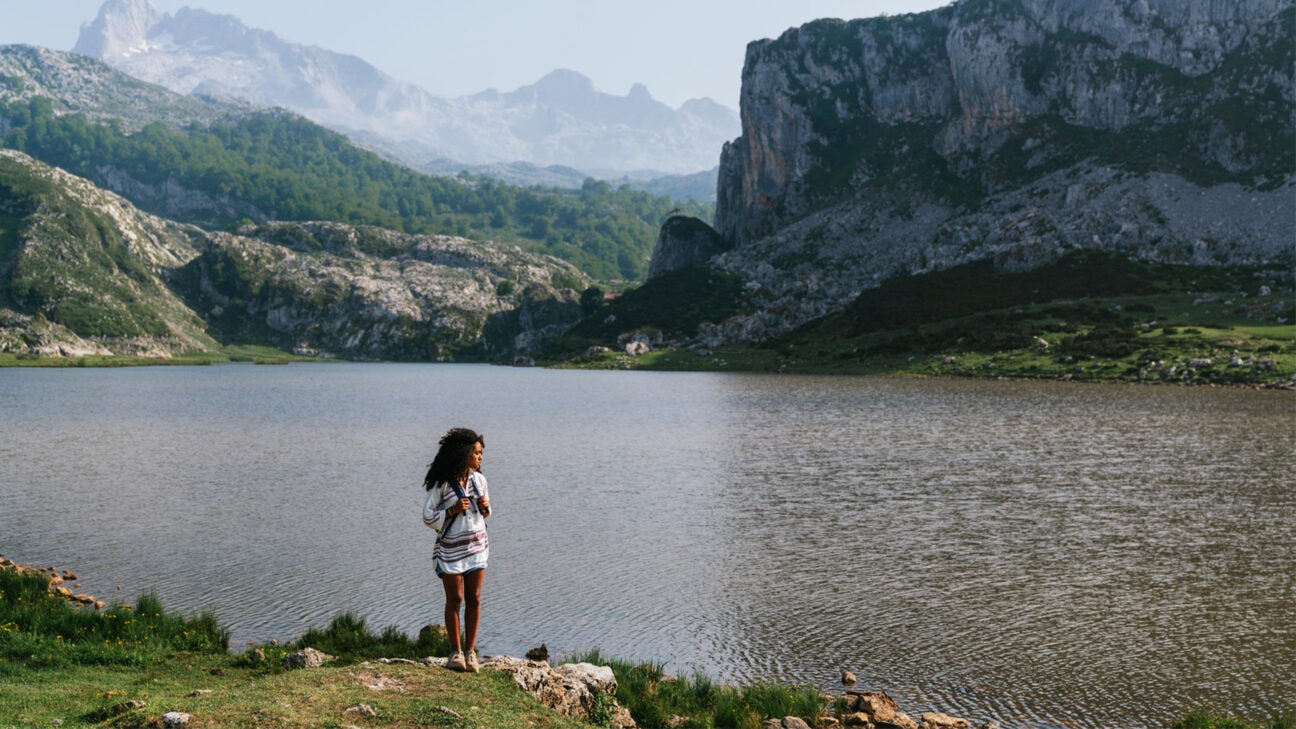
The Healing Power of Nature
In today’s fast-paced world, women often juggle multiple roles, leading to heightened stress and anxiety. With this reality, the importance of self-care routines becomes increasingly undeniable. One powerful yet often overlooked aspect of self-care is simply spending time outdoors. Nature has a remarkable ability to uplift and restore, making it a crucial ally in the battle against daily stressors.
Engaging with nature offers numerous benefits for mental health, particularly for women facing societal pressures. Research suggests that time spent outdoors can:
- Reduce stress levels by lowering cortisol, the stress hormone. Studies show that even short walks in natural settings can significantly decrease stress indicators, allowing women to feel more relaxed and grounded.
- Enhance mood through exposure to sunlight, which boosts serotonin production. For instance, a simple outing to a sunlit park can elevate one’s mood and reduce feelings of depression. This is particularly significant in areas where Seasonal Affective Disorder (SAD) is prevalent during winter months.
- Improve focus and cognitive function, often referred to as the “attention restoration theory.” Time spent in nature helps to revitalize attention spans, thereby improving productivity and enhancing one’s ability to tackle daily tasks.
Moreover, time in nature encourages mindfulness and relaxation. Activities like hiking through the Appalachian Trail, gardening in a backyard, or simply taking a leisurely walk in a local park foster a connection with the environment and promote overall well-being. The serenity of natural settings— be it the rustling of leaves, the sound of flowing water, or the scent of blooming flowers—allows for deep reflection and rejuvenation. This aspect of outdoor self-care becomes particularly crucial for women, as they often bear the brunt of societal pressures that demand they maintain equilibrium in both personal and professional spheres.
As awareness grows around the intersection of nature and mental well-being, many women are adopting outdoor self-care routines that resonate with their lifestyle. For example, establishing weekly hiking sessions with friends, participating in community gardening projects, or even practicing yoga in a park are becoming popular trends. This shift emphasizes the necessity to explore how nature can serve as a nurturing balm for the mind, body, and spirit.
Together, let us delve into the enriching relationship between time spent outside and emotional health. Whether you are taking a moment to breathe in fresh, clean air or soaking up the beauty of a sunset, connecting with nature can lead to profound psychological benefits. The natural world awaits, ready to uplift and inspire those willing to embrace it.
DISCOVER MORE: Click here for insights on mental health in women</p
The Transformative Effects of Outdoor Activities
Incorporating nature into self-care routines is a powerful strategy for enhancing mental health, especially for women navigating the complexities of modern life. The act of engaging with the outdoors transcends mere enjoyment; it significantly impacts emotional well-being. Numerous studies illustrate how interactive outdoor activities can bolster mental health, creating a compelling case for prioritizing time spent in natural settings.
Physical activities in nature, such as hiking, biking, or even walking, are more than just a means of exercise. They foster emotional resilience by providing an outlet for stress relief and offering a break from the demands of daily life. In fact, research has demonstrated that individuals who engage in regular outdoor physical activities experience reduced symptoms of anxiety and depression. The natural terrain and fresh air work synergistically to promote a sense of calm and connectivity.
- Boost Creativity: Interacting with nature is known to enhance creative thinking. A study by David Strayer from the University of Utah found that spending time in natural settings can increase creativity by up to 50%. This can translate to significant benefits for women who engage in creative professions or intellectual pursuits, providing them with the mental refresh they need to tackle new projects.
- Encourage Social Connections: Many outdoor activities can be enjoyed solo, yet they also present opportunities for social interactions. Joining hiking groups, community picnics, or outdoor yoga classes allows individuals to build a support network, which is vital for mental health. These connections can foster feelings of belonging and empathy, essential for emotional support.
- Promote a Sense of Purpose: Whether it’s participating in local conservation efforts or cultivating a community garden, engaging in nature encourages purposeful actions. Studies suggest that activities contributing to the well-being of the environment can instill a strong sense of self-worth and fulfillment, especially among women who may find themselves looking to inspire societal change.
The integration of nature into self-care routines also allows for a unique form of mindfulness. Observing the details of the environment—be it the intricate patterns of leaves or the sound of wildlife—helps individuals ground themselves in the moment. This practice can be particularly beneficial for women, who often face the challenge of multitasking both at work and home. By taking time to appreciate the natural world, they can cultivate patience and enhance their overall mental clarity.
As these benefits unfold, more women are seeking to fine-tune their self-care techniques by incorporating nature into their lives. From setting a goal to partake in weekend woodland hikes to committing to daily walks around neighborhood parks, the rising emphasis on outdoor self-care reflects a broader cultural shift. Women are beginning to recognize not just the physical aspects of these experiences, but the profound emotional and mental health incentives that come with them.
In this intricate dance between nature and mental health, it becomes clearer that previous generations often neglected nature’s role in self-care. As the understanding of environmental impact grows, it’s vital for women today to embrace the enrichment that nature offers, ultimately leading to improved mental well-being.
| Advantage | Description |
|---|---|
| Enhanced Mood | Spending time in nature has been shown to improve mood levels, reducing symptoms of anxiety and depression among women. |
| Physical Activity | Engaging in outdoor activities encourages physical exercise, which is essential for mental well-being and can lead to better overall health outcomes. |
| Stress Reduction | Nature provides a calming ambiance that decreases stress levels, allowing women to relax and rejuvenate their mental state. |
| Creativity Boost | Time outdoors can stimulate creative thinking and problem-solving abilities, enhancing cognitive functions crucial for daily life. |
Engaging with nature not only enriches our lives but also serves as a powerful tool in self-care routines, especially for women. The interplay between time spent outdoors and mental health is profound, offering a pathway to enhanced emotional resilience and well-being. Whether it’s a stroll through a local park or a hike in the mountains, the natural world beckons with its myriad benefits.
DIVE DEEPER: Click here to learn more
Nature as a Catalyst for Emotional Healing
Women facing mental health challenges often find solace and rejuvenation in the embrace of nature. The phenomenon of nature therapy, also known as ecotherapy, is gaining traction as a complementary approach for relieving stress, anxiety, and depression. This therapeutic relationship with the environment emphasizes the interconnectedness of physical well-being and emotional recovery. By immersing themselves in natural surroundings, women are not merely escaping their struggles but actively engaging in a healing process.
Sensory engagement with nature plays a significant role in fostering emotional well-being. The sights, sounds, and scents of the outdoors stimulate the senses and elevate mood. For example, a study published in the journal Environmental Health and Preventive Medicine demonstrated that exposure to green spaces resulted in reduced levels of cortisol—the stress hormone—among participants. The sights of lush trees or the calming sound of water flowing in a stream can evoke feelings of peace, serving as a stark contrast to the overwhelming stimuli of urban life.
Moreover, spending time outdoors can also mitigate mental fatigue. The concept of “nature deficit disorder” coined by author Richard Louv, touches upon the detrimental effects of reduced nature exposure on psychological health. With the enduring prevalence of chronic stress stemming from work and domestic responsibilities, many women are realizing the importance of periodic retreats into natural settings. Whether it’s a morning jog in a local park or a weekend camping getaway, these brief excursions can significantly enhance mood and cognitive focus.
- Access to Natural Light: Exposure to natural light is crucial in regulating circadian rhythms and serotonin production, a neurotransmitter that affects mood and feelings of happiness. Taking a walk during daylight hours not only provides vitamin D but also supports better sleep—a critical component for maintaining mental health.
- Nature’s Healing Properties: Scientific research highlights the benefits of “forest bathing,” or shinrin-yoku, a practice popularized in Japan. Engaging fully with the forest environment has been shown to improve immune function and reduce physiological stress markers, illustrating how simply being around trees can foster a healing environment.
- Mind-Body Connection: Activities such as yoga or tai chi practiced outdoors deepen the mind-body connection. Being surrounded by nature while engaging in these mindfulness practices brings about heightened awareness, promoting emotional awareness and resilience. Women often find that these combined practices amplify self-compassion and focus, empowering them for daily challenges.
As women continue to navigate life’s demands, the push for integrating nature into their self-care routines becomes increasingly essential. Initiatives such as local hiking trails, urban nature reserves, and community gardening programs offer accessible avenues for women to connect with the outdoors. Social media platforms have also become instrumental in fostering communities centered around outdoor activities, encouraging women to share experiences and support one another in their quests for mental wellness.
In cultures where mental health stigma persists, the refuge offered by nature provides an decompressing backdrop for women seeking to restore their mental and emotional balance. The prevalence of anxiety and depressive disorders indicates a growing need for effective treatment alternatives that blend traditional methods with holistic practices. By embracing the healing properties of nature, women not only enhance their self-care regimens but also contribute to a broader dialogue on the importance of environmental connectivity in mental health care.
DISCOVER MORE: Click here to learn about women’s mental health
Conclusion
In an ever-evolving world where mental health challenges frequently intersect with the demands of daily life, the role of nature in self-care routines has emerged as a beacon of hope for women seeking restoration and balance. The benefits of time outdoors extend beyond mere leisure; they encompass profound emotional healing and resilience-building essential for mental wellness. As the evidence surrounding ecotherapy and nature therapy gains momentum, it becomes increasingly clear that our natural environment offers invaluable support for mental health.
From the calming effects of natural light to the restorative qualities of activities such as forest bathing, integrating nature into self-care practices can enhance mindfulness, encourage social connections, and empower women in their healing journeys. Furthermore, by acknowledging and advocating for the importance of outdoor spaces, communities can promote broader access to these vital experiences. The creation of safe, inviting environments for women to engage in physical activity outdoors fosters not only improved mental health but also a stronger collective camaraderie.
As the dialogue surrounding women’s mental health evolves, it is essential to recognize nature’s inherent value in holistic healing. Women are encouraged to reclaim their time outdoors, whether through solitary walks, group hikes, or simply sitting in a park surrounded by trees. This engagement not only showcases the beauty of the natural world but also its capacity to alleviate mental burdens. By prioritizing time in nature, women can enhance their self-care routines and cultivate lasting emotional resilience, unlocking a pathway to greater well-being.