
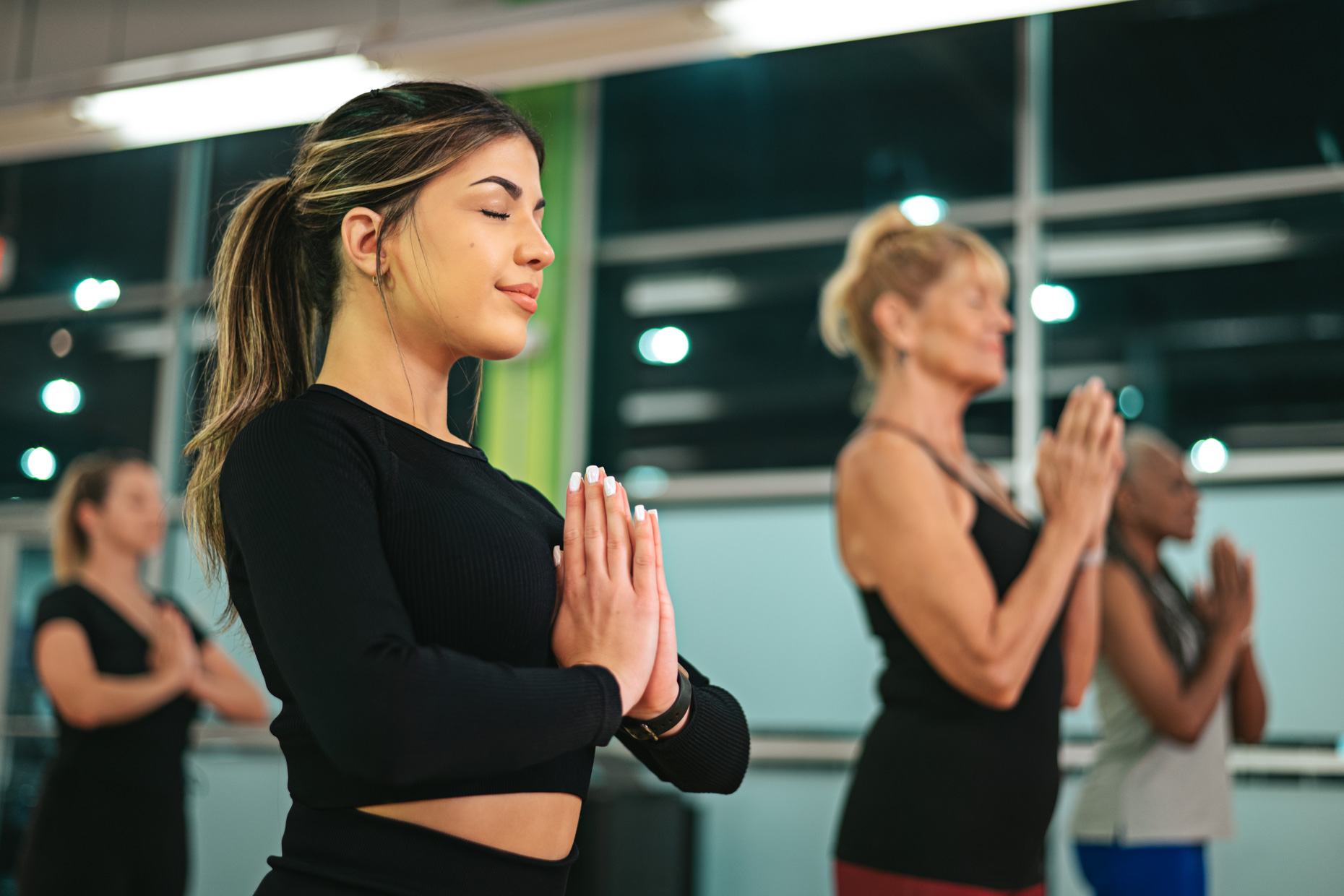
Embracing Movement as a Form of Self-Care
In today’s fast-paced society, where obligations and responsibilities often take precedence, prioritizing mental and physical well-being frequently gets overlooked. However, the simple act of incorporating conscious movement into our daily routines can yield transformative effects, enhancing not just our physical health but also our mental clarity and emotional stability. One of the most engaging forms of conscious movement is dance, a practice that transcends time and cultures, offering diverse benefits that resonate on multiple levels.
Why Consider Dance and Movement?
- Stress Reduction: Research shows that dance can significantly reduce stress hormones, providing a therapeutic outlet for tension. For example, a study published in the journal “Psychology of Sport and Exercise” indicated that individuals who danced reported lower levels of anxiety and a greater sense of well-being.
- Body Awareness: Engaging in regular movement through dance enhances body awareness. This awareness fosters a deeper understanding of one’s physical presence and capabilities, leading to improved posture and coordination, which are essential for day-to-day activities.
- Social Connection: Dance is often a communal experience, whether in a dance class or during social gatherings like weddings. Participating in group dances encourages social interaction, creating bonds and friendships that provide emotional support and a sense of belonging.
- Creative Expression: Dance serves as a powerful medium for expressing thoughts and emotions creatively. It provides an opportunity to convey feelings, whether joy, sadness, or frustration, through movement, thereby facilitating emotional release and personal reflection.
Integrating conscious movement, particularly through dance, into your daily life can become a profound tool for self-discovery and healing. With an array of styles available—from the elegance of ballet to the rhythm of hip-hop and even folk dances like clogging—there is something for everyone. Finding a style that resonates deeply with you can elevate this practice’s benefits, fostering not just physical fitness but emotional resilience as well.
Start Your Journey Today
Ultimately, embracing a mindset that values dance and self-care can lead to transformative changes in your life. Simple adjustments, such as dedicating 30 minutes each day to moving your body through dance or attending local dance workshops, can have profound effects on your overall quality of life. Additionally, consider exploring online dance tutorials or joining community dance classes to connect with others in a supportive environment.
This journey into movement can open doors to greater self-acceptance and joy. So why not take the first step today? By allowing yourself the freedom to move, express, and connect, you may discover not just a hobby but a pathway to enhanced well-being and fulfillment.
DIVE DEEPER: Click here to learn more about mental health strategies for women</
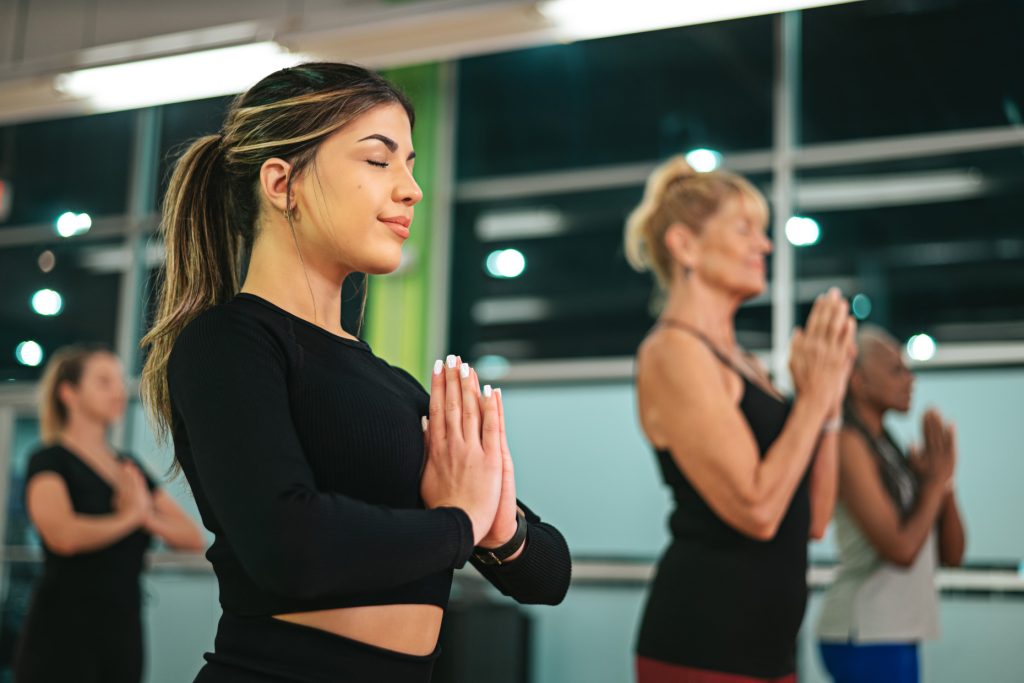
The Therapeutic Benefits of Dance and Movement
As we navigate through our busy lives, it’s common to find ourselves moving on autopilot, neglecting the fundamental connection between our body and mind. Integrating conscious movement into our routines, particularly through dance, can serve as an antidote to this disconnection. The act of moving intentionally not only revitalizes the body but also fosters a deep sense of awareness, enabling us to engage more fully with our personal experiences.
Physical Health: A Direct Connection
The physical aspects of dance are profound and multifaceted. Engaging in regular dance sessions can enhance cardiovascular fitness, flexibility, strength, and endurance. Studies have demonstrated that dancing can boost metabolism and improve overall body composition, making it an effective choice for those looking to maintain a healthy weight. Moreover, the rhythmic nature of dance promotes coordination, balance, and agility, crucial elements that support not just movement but also daily tasks.
- Cardiovascular Health: Dancing elevates heart rate, improving circulation and increasing oxygen flow throughout the body, which is essential for cardiovascular fitness.
- Muscle Tone and Strength: Various dance styles require different muscle groups, allowing for a full-body workout that tones muscles and builds strength.
- Bone Health: The weight-bearing nature of dance promotes bone density, reducing the risk of osteoporosis in later years.
- Injury Prevention: Enhanced flexibility and strength achieved through dance minimize the risk of injuries in other physical activities and daily routines.
Mental Well-Being: A Creative Outlet
Beyond the physical advantages, dance serves as a powerful tool for mental health. Finding joy in movement can significantly elevate mood and reduce symptoms of anxiety and depression. A research study conducted by the American Journal of Public Health revealed that individuals who participate in regular dance sessions report higher levels of happiness, increased self-esteem, and improved cognitive function. This boost in mental clarity can spark creativity both in and out of the dance studio.
The ritual of dancing also invites mindfulness into our lives. As we focus on the rhythm and flow of our movements, we cultivate an awareness of our breath and body, anchoring us in the present moment. This practice enhances our ability to manage stress and develop emotional resilience—a vital skill in dealing with the challenges of everyday life.
In a world that often emphasizes competition and perfection, conscious movement through dance promotes an attitude of acceptance and joy. It encourages self-expression free from judgment, allowing individuals to discover new dimensions of themselves. By prioritizing this interconnection between body and mind, we not only improve our health but also enrich our emotional landscape.
In conclusion, the benefits of incorporating conscious movement, particularly through dance, are extensive and multifaceted. By recognizing the profound effects that dance can have on our physical and mental health, we unlock the potential for a more balanced and fulfilling life.
The Benefits of Integrating Dance into Daily Life
Incorporating dance into your daily routine offers a multitude of physical and mental health benefits. As individuals become more aware of their bodies through conscious movement, they can enhance their overall wellness. Engaging in dance not only fosters a great sense of enjoyment but also encourages the release of endorphins, which are known as the hormones of happiness. Furthermore, embracing this art form promotes flexibility, balance, and coordination, essential attributes that contribute significantly to one’s body awareness and self-efficacy.
Mindfulness Through Movement
Conscious movement encourages mindfulness, allowing individuals to connect with their inner selves. This connection can lead to improved emotional regulation and a sharper focus on the present moment. Dance provides a unique opportunity to express emotions and can serve as an excellent outlet for stress relief while facilitating an authentic connection to one’s body.
Community and Connection
Dancing is often a social activity that can help build a supportive community. Engaging in dance classes or groups fosters social connections and reduces feelings of loneliness, which is vital for mental health. The act of moving alongside others can cultivate a sense of belonging and promote positive interpersonal relationships.
Encouragement of Self-Care Practices
Integrating dance into daily life can act as a form of self-care, reminding individuals to prioritize their well-being. It serves as a holistic approach to health, incorporating both exercise and emotional well-being into one rewarding activity. By making space for dance, individuals can develop a fulfilling routine that supports their physical and mental health goals.
| Category | Benefits |
|---|---|
| Physical Health | Enhances fitness, flexibility, and body awareness |
| Emotional Well-being | Boosts mood, reduces stress, and promotes mindfulness |
| Social Connection | Fosters community and reduces feelings of loneliness |
| Self-Care | Encourages prioritization of personal well-being through joyful movement |
DISCOVER MORE: Click here to enhance your self-care routine
Emotional and Social Connectivity through Dance
While physical health and mental well-being are significant benefits of conscious movement, the emotional and social dimensions of dance offer equally profound contributions to holistic health. Dance, as a form of art and expression, has the unique capacity to foster connections between individuals, create community bonds, and enhance emotional intelligence. Through conscious movement, participants not only cultivate self-awareness but also enrich their interactions with others.
Building Community: Connection Through Movement
Dance serves as a universal language that transcends cultural and linguistic barriers. Whether in a structured class or a spontaneous gathering, the shared experience of movement brings people together, fostering a sense of belonging. Programs such as community dance projects in various cities across the United States encourage participants from diverse backgrounds to unite, creating an inclusive environment where everyone can express themselves freely. Examples include the Dance for All initiative, which promotes accessibility in dance for individuals of all backgrounds and abilities.
Moreover, dance classes and social dancing events often create opportunities to meet new friends, promoting social interaction and enhancing interpersonal skills. Engaging in dance encourages conversations that might not happen in conventional settings. The joy shared during a dance can bridge gaps, strengthen friendships, and foster new connections, providing a supportive social network essential for emotional health.
Emotional Expression and Release
Dancing allows people to process emotions and experiences that they may find difficult to articulate. The act of dancing embodies a form of emotional expression that goes beyond words, enabling individuals to release pent-up feelings and stress. Studies have shown that dance can decrease levels of the stress hormone cortisol while increasing endorphins, the body’s natural mood lifters, creating a powerful emotional release mechanism.
In therapeutic settings, dance/movement therapy (DMT) has been recognized as an effective approach for individuals dealing with trauma or emotional challenges. By integrating creative expression with movement, participants are encouraged to explore their feelings and experiences through a physical lens, often leading to breakthroughs in understanding personal struggles. Professionals in this field have noted that DMT can enhance self-awareness and develop coping strategies that are vital for emotional well-being.
Mindfulness and Reflective Movement
Practicing conscious movement through dance can also cultivate mindfulness—a state of active, open attention to the present moment. As individuals engage with their bodies through rhythm and flow, they not only enjoy the sensations of movement but also reflect on their emotional state and thoughts. This reflective practice encourages greater self-acceptance and compassion.
Mindfulness in dance is further emphasized by styles such as yoga dance or contact improvisation, both of which highlight the relationship between body awareness and emotional states. Participants are urged to listen to their bodies and respond intuitively, helping them remain grounded while exploring their emotional landscape. This integration of movement and mindfulness offers a powerful pathway for self-care, inviting individuals to revisit their body-mind connection regularly and providing an opportunity for personal growth.
As we explore the various dimensions of dance, it becomes evident that integrating conscious movement into daily life can yield profound benefits that extend far beyond physical fitness. By enhancing emotional expression and creating social connections, dance serves as a vital tool for self-care and wellbeing, inviting us to engage with ourselves and our communities in more meaningful ways.
DISCOVER MORE: Click here to learn about the importance of mental health for women</
Conclusion: Dancing Towards Health and Well-Being
Incorporating conscious movement through dance into our daily lives is more than just a pathway to fitness; it is a profound journey toward emotional, mental, and social well-being. As we have explored, the act of dancing fosters not only physical vitality but also creates lasting connections within our communities, enhances emotional resilience, and cultivates mindfulness. These aspects make dance an essential component of self-care that offers holistic health benefits.
With various programs across the United States, such as community dance initiatives and dance/movement therapy, individuals are presented with opportunities to experience the healing power of rhythmic movement. The communal aspect of dance breaks down barriers, enriching our interpersonal skills and bringing diverse groups together. Furthermore, dance provides a unique outlet for emotional expression, empowering individuals to articulate and release feelings that may otherwise remain suppressed.
As we consider the role of dance in our lives, it challenges us to be more present and in tune with our bodies, encouraging self-acceptance and personal growth. By making conscious movement a part of our daily routine, we not only embrace a fun and engaging form of exercise but also nurture our emotional and social health in significant ways. Ultimately, as we dance our way through life, let us recognize that every step, every beat, and every shared moment contributes to a deeper connection with ourselves and those around us. In this partnership of body and mind, we can unlock the full potential of what it means to truly thrive.