
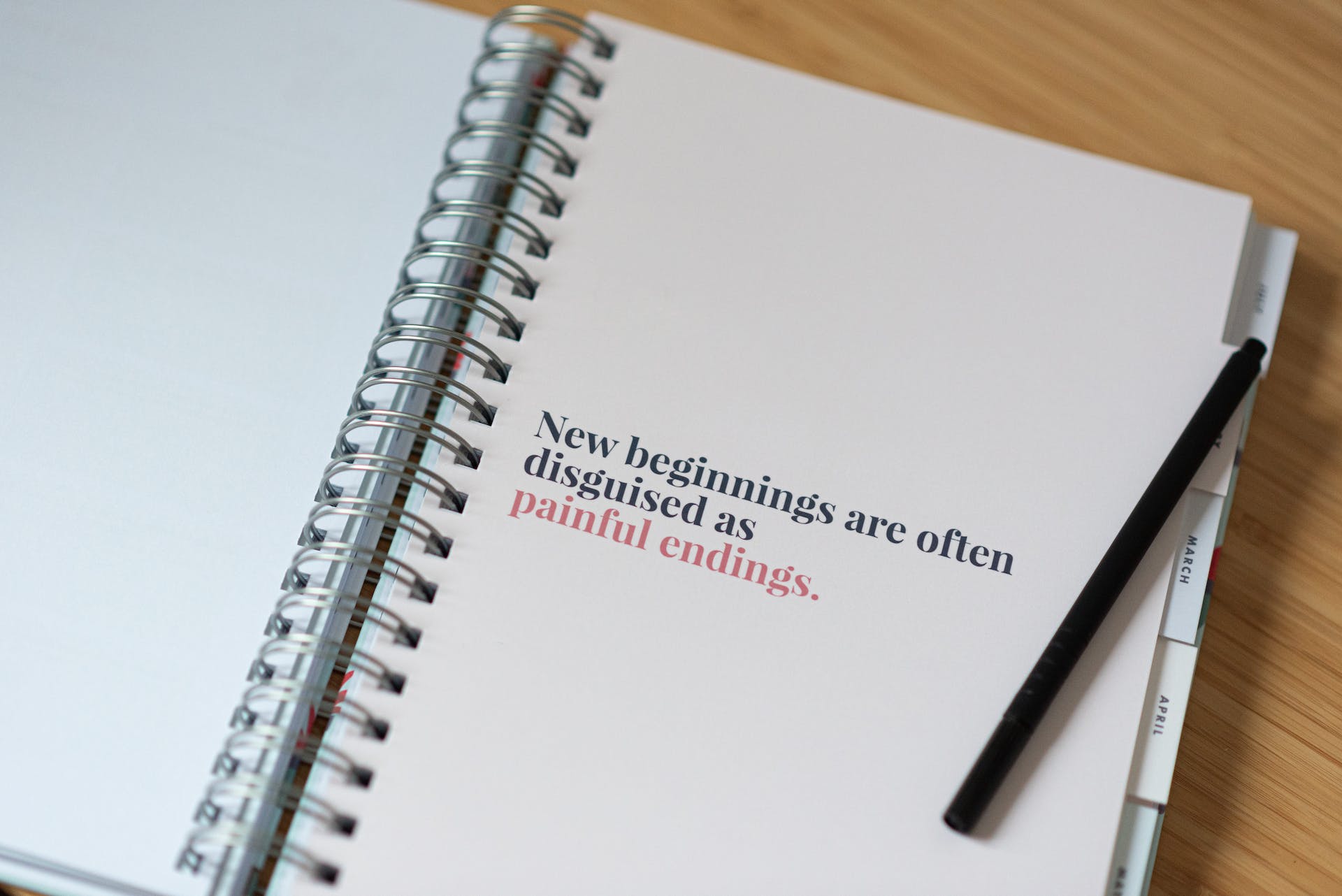
The Power of Journaling in Self-Care Practices
In a fast-paced world where self-reflection often takes a backseat, journaling serves as a powerful tool for personal expression and emotional healing. This long-standing practice is not just a pastime; it is gaining renewed attention as individuals seek accessible methods to enhance their mental well-being. Journaling can take multiple forms, from traditional diary entries to bullet journaling and art journaling, each offering unique benefits to practitioners.
Enhances Self-Awareness
One of the fundamental advantages of journaling is that it enhances self-awareness. By putting thoughts and feelings into words, individuals can unpack complex emotions and recognize patterns in their behavior. For example, someone may notice recurring themes in their entries that point to underlying issues, such as stress at work or difficulties in relationships. This deeper understanding can lead to proactive steps in addressing these challenges.
Reduces Stress
Another significant benefit is the potential to reduce stress. The act of writing can serve as a cathartic release. When a person articulates their worries and emotions on paper, it transforms the chaos inside their head into something more manageable. Research has shown that expressive writing can lower both psychological distress and physiological markers of stress, such as blood pressure. Many people incorporate specific journaling prompts aimed at processing emotions, which can further facilitate this therapeutic benefit.
Boosts Creativity
Moreover, journaling is a powerful tool that boosts creativity. When individuals write freely without the constraints of grammar or structure, they often unlock imaginative ideas and solutions. This type of unrestricted expression allows room for innovation. Many writers, artists, and creators keep journals to brainstorm ideas, sketch concepts, or draft initial storylines. For example, some successful authors credit their journaling habits with helping them overcome writer’s block and fuel their imaginative processes.
Journaling can also be strategically used for goal-setting and tracking progress. By outlining aspirations and reflecting on achievements, one can cultivate a sense of purpose and direction. This practice can be reinforced by creating dedicated sections in a journal for future goals, encouraging accountability and continued motivation.
As mental health awareness rises, journaling as self-care has gained traction as a widely discussed subject. Various techniques and methodologies have emerged, including gratitude journaling, where practitioners record things they are thankful for, leading to enhanced emotional well-being. With countless approaches available, each individual’s journaling experience can transform into a personalized act of self-love and care.
In conclusion, picking up a pen to journal can be one of the most empowering and supportive actions one can take in their self-care journey. Whether to enhance self-awareness, reduce stress, boost creativity, or track personal growth, the benefits of journaling are both profound and multifaceted. By embarking on this reflective practice, individuals can unlock a deeper connection with themselves and their emotions. So why not start today?
EXPLORE MORE: Click here for insights on women’s mental health</p
The Emotional Benefits of Journaling: A Pathway to Healing
The benefits of journaling extend beyond mere emotional release; it acts as a profound form of self-care that promotes mental clarity and emotional resilience. Engaging in the act of journaling allows individuals to process their feelings and experiences, converting them into tangible words. This creative articulation can serve as a powerful outlet for emotions that might otherwise go unaddressed. Here are some key emotional benefits of adopting a journaling practice:
- Empowerment through Expression: Writing about personal experiences allows individuals to claim their narrative. By expressing emotions and thoughts, one can reclaim their agency, making sense of their lives and decisions.
- Safe Space for Vulnerability: Journaling provides a judgment-free zone where individuals can explore their innermost thoughts without fear of external critique. This safe space encourages deeper honesty and vulnerability.
- Connection to Emotions: Journaling encourages individuals to confront and articulate their feelings. This connection cultivates emotional intelligence, helping to identify emotional triggers and responses effectively.
- Track Personal Growth: Regularly recording experiences allows individuals to reflect on growth over time. By looking back at past entries, one can observe progress and develop a sense of accomplishment.
- Build Resilience: Documenting challenges and emotions can facilitate coping strategies. Recognizing and addressing emotional distress through writing enhances resilience, equipping individuals to better navigate future difficulties.
The Therapeutic Power of Prompts
Journaling does not have to be an overwhelming or abstract practice; many find that utilizing prompts can jumpstart the writing process, especially for those new to the technique. Prompts can guide reflections in meaningful ways, often helping individuals confront emotions they may have been hesitant to explore. Examples of effective journaling prompts include:
- What made me smile today?
- Describe a recent challenge and how I overcame it.
- List three things I am grateful for this week.
- What are my hopes and fears for the future?
- Document a moment when I felt truly at peace.
These prompts encourage individuals to delve into their feelings and experiences, allowing for deeper introspection. The therapeutic benefits of journaling, when complemented with such targeted reflection, enhance its impact on personal and emotional well-being.
Connecting with Community through Journaling
Interestingly, journaling doesn’t have to be an isolated practice. The rise of social media platforms has birthed communities where individuals share their journaling journeys. This demonstrates how journaling can create connections, offer support, and inspire others. Virtual challenges and collective journaling exercises foster a sense of belonging, further amplifying the self-care benefits of expressing one’s thoughts and feelings in a shared space.
As individuals dive into the art of journaling, the emotional benefits may become increasingly apparent. Whether through enhancing awareness, providing an outlet for stress, or encouraging community connections, journaling undoubtedly paves the way for emotional healing and self-discovery. By giving voice to the internal dialogue, journaling has the potential to transform personal narratives and inspire profound personal change.
The Benefits of Journaling for Self-Care
The practice of journaling has gained remarkable traction as people increasingly recognize its therapeutic potential. The art of journaling allows individuals to explore their thoughts and feelings, leading to greater self-awareness and emotional well-being. By putting pen to paper, one can externalize internal struggles, paving the way for healing and clarity. Research supports these claims, revealing that expressive writing can reduce symptoms of anxiety and depression, enhancing overall mental health.
Moreover, journaling serves as a personal sanctuary where individuals can safely articulate their innermost thoughts without judgment. This process not only fosters creativity but also acts as a stress alleviator. Whether jotting down daily reflections or crafting stories, each entry promotes mindfulness, allowing individuals to anchor themselves in the present moment.
Additionally, regular journaling can help track progress and personal growth. By revisiting past entries, one can gain insights into their evolution, recognizing patterns in behavior and thought. This retrospective view can be instrumental in setting future goals and intentions, making journaling a practical tool for self-care.
As you delve into the transformative journey of journaling, consider how this simple yet profound practice can enrich your life, offering solace and clarity in our often chaotic world.
| Category | Advantages |
|---|---|
| Emotional Release | Journaling offers a safe space to express and process emotions, aiding in stress reduction. |
| Mindfulness Practice | Encourages focus on the present moment, boosting gratitude and increasing mental clarity. |
| Personal Insight | Facilitates self-reflection, allowing individuals to identify growth patterns and set future goals. |
Engaging in the art of journaling can cultivate a powerful sense of self-care, inviting individuals to invest time into their mental and emotional health. Consider how developing a personalized journaling routine can become an essential aspect of your self-care regimen.
LEARN MORE: Click here to enhance your understanding
Transformative Strategies for Effective Journaling
To truly harness the power of journaling as a form of self-care, adopting effective strategies can make all the difference. Engaging in a mindful journaling process not only enhances emotional expression but also promotes overall mental well-being. Here are some transformative strategies that can help elevate journaling from a casual hobby to a profound self-care practice:
- Consistency is Key: Establishing a regular journaling schedule can amplify its benefits. Whether it’s writing daily, weekly, or upon experiencing intense emotions, consistency fosters a habit that reinforces personal expression and reflection.
- Set Intentions: Before starting a journaling session, take a moment to set an intention. Consider what you want to achieve through your writing. This can range from seeking clarity on a specific issue to reflecting on the day’s events. Intentions can guide the focus of your writing, allowing for more meaningful insights.
- Explore Various Formats: While traditional journaling often involves free-writing, experimenting with different formats can ignite creativity. Consider using bullet journals, art journals, or even digital formats. Each style can bring a unique flavor to your expressions, catering to different moods and levels of inspiration.
- Integrate Mindfulness Techniques: Pairing mindfulness exercises with journaling can deepen the experience. Techniques such as meditation or focused breathing can clear the mind before writing. This ensures that the journaling process is intentional and resonates on a personal level.
- Include Positive Affirmations: Infusing your journal with positive affirmations can foster a more uplifting narrative. By consciously acknowledging your strengths and celebrating small wins, the practice becomes a source of encouragement, promoting a more positive mindset.
The Role of Journaling in Mental Health
Numerous studies have shed light on the significant role journaling plays in mental health. Research indicates that expressive writing can lead to improvements in mood, reductions in depressive symptoms, and an overall increase in psychological well-being. A study published in the journal Psychological Science found that those who engaged in journaling had lower levels of stress and were better equipped to handle their emotions.
Furthermore, journaling has been integrated into various therapeutic practices, including Cognitive Behavioral Therapy (CBT). Therapists often recommend journaling as a tool for patients to track negative thought patterns and replace them with healthier perspectives. The physical act of writing helps solidify new insights in a way that processing them mentally alone may not achieve.
Personalizing the Journaling Experience
Personalization of the journaling experience can enhance engagement and yield unique benefits. Some individuals find that incorporating creative elements such as doodles, photographs, or collages enriches their entries. Others may prefer to write letters to their future selves or create thematic sections around topics such as gratitude or dreams.
Moreover, spending some time reflecting on past entries can unlock a deeper understanding of recurring themes and personal growth. This metacognitive approach not only grounds individuals in their current situation but can also pave the path toward future aspirations.
As the art of journaling evolves, individuals are afforded the opportunity to explore their inner landscapes with greater clarity and intention. By employing practical strategies, connecting journaling to mental health concepts, and personalizing the act, journaling transforms from a simple pastime into a powerful technique for fostering emotional well-being.
LEARN MORE: Click here to understand the importance of mental health in
Conclusion: Embracing Journaling as a Key to Self-Care
In the quest for personal expression and emotional well-being, journaling emerges as a potent tool that combines creativity with introspection. The exploration of one’s thoughts and feelings through a journal not only serves as a safe outlet but also fosters self-awareness and growth. By committing to consistent writing, setting clear intentions, and embracing various formats, individuals can transform their journaling practice into a meaningful ritual that nourishes the soul.
Furthermore, the mental health benefits associated with journaling are profound. Research underscores its effectiveness in reducing anxiety and improving mood, making it an invaluable resource for those navigating emotional challenges. The therapeutic nature of journaling aligns seamlessly with modern self-care principles—encouraging individuals to cultivate mindfulness, positivity, and resilience.
As we continue to understand the art of journaling, it is essential to personalize this practice to fit our unique perspectives and experiences. Whether through vibrant doodles, reflective prompts, or expressive writing, each method can pave the way for deeper exploration and healing. As you venture into this transformative experience, consider the potential of journaling not just as a hobby but an essential component of your self-care routine.
Ultimately, the path of journaling invites us to cherish our thoughts, confront our emotions, and celebrate our stories. By making space in our lives for this powerful practice, we can cultivate a deeper connection to ourselves, fostering a sense of peace and fulfillment in our everyday lives. So, pick up your pen or open your digital device, and start your journey toward self-discovery and emotional well-being today.