
The Importance of Key Nutrients for Bone Health
Bone health, particularly in women, is a cornerstone of overall health and well-being. As women age, especially after menopause, they experience a significant decline in estrogen levels, which is critical for bone preservation. This hormonal shift often leads to an increased risk of osteoporosis, a condition characterized by weak and brittle bones. Thus, understanding the role of nutrition in fostering bone health is vital for women across different life stages.
Several essential nutrients are pivotal in supporting bone integrity:
- Calcium: This mineral is the backbone of bone health, as it contributes to the density and strength of the skeleton. Adults should aim for 1,000 to 1,200 mg of calcium daily. Dairy products like milk, yogurt, and cheese are excellent sources. For those who are lactose intolerant or prefer plant-based options, fortified almond or soy milk and leafy greens like kale and broccoli can provide ample calcium.
- Vitamin D: Often referred to as the “sunshine vitamin,” vitamin D is crucial for enhancing calcium absorption in the gut. Natural sources include fatty fish such as salmon and mackerel, as well as egg yolks. For many, sunlight exposure may not suffice, especially in northern regions during winter; thus, supplements may be necessary to reach the recommended 600 to 800 IU daily.
- Magnesium: This mineral contributes to over 300 biochemical reactions in the body and plays a key role in converting vitamin D into its active form. Foods rich in magnesium include nuts, seeds, whole grains, and legumes.
- Vitamin K: This nutrient aids in bone mineralization and protects against fractures by regulating calcium in the bones and blood. Green leafy vegetables such as spinach, kale, and Brussels sprouts are rich in vitamin K and should be staples in a balanced diet.
- Protein: Adequate protein intake supports bone health and facilitates repair and regeneration. While meat, poultry, and fish are primary sources, plant-based proteins from beans, lentils, and soy products also contribute meaningfully to dietary protein needs.
In the United States, osteoporosis is a concern for over 10 million people, with women being disproportionately affected. It is crucial for women to educate themselves about these vital nutrients to prevent bone-related issues later in life.
Besides knowledge, exploring food sources rich in these nutrients is imperative. From fortified cereals and dairy alternatives to various greens and legumes, the variety of dietary options empowers women to make healthy choices. Engaging with nutritionists or dietitians can also enhance understanding and implementation of nutrition tailored for individual needs.
The intricate relationship between nutrition and bone health underscores the importance of a well-rounded diet. By prioritizing the intake of essential nutrients, women can take proactive steps towards maintaining strong and healthy bones throughout their lives, ultimately reducing the risk of debilitating conditions like osteoporosis.
DIVE DEEPER: Click here to discover the benefits of meditation for stress reduction
Understanding the Roles of Essential Nutrients
To appreciate how nutrition fortifies bone health for women, it is essential to delve deeper into the specific roles each nutrient plays. Beyond merely having a balanced diet, understanding the synergy among these nutrients can unlock better strategies for maintaining optimal bone density across different life stages.
For instance, calcium is not a standalone hero; it works best in conjunction with vitamin D, magnesium, and vitamin K. This triad ensures that calcium is not only absorbed effectively but also correctly utilized in the bones. Insufficient intake of any of these essential nutrients can lead to a domino effect, undermining bone health.
As women transition through various phases of life—from adolescence and pregnancy to menopause—the importance of these nutrients fluctuates. During adolescence, bone development is at its peak, necessitating higher calcium and vitamin D intake to build a robust bone structure that will support her throughout adulthood. Research indicates that approximately 90% of bone mass is formed by the age of 18, making adequate nutrition in these formative years crucial.
During pregnancy and lactation, women require increased amounts of these nutrients. For example, a pregnant woman needs around 1,000 mg of calcium a day, which is essential not only for her own bone health but also for the developing fetus. A mother who is lactating will require similar levels to ensure that her breast milk contains sufficient calcium for her baby, especially during the first year of life when rapid bone growth occurs.
Post-menopausal women face an alarming reality: the rate of bone loss can increase by up to 20% in the first five to seven years after menopause. Hence, focusing on a diet rich in bone-supportive nutrients is not just advisable; it is imperative. To help navigate these dietary needs, here are some key nutrient-rich food sources:
- Dairy Products: Milk, yogurt, and cheese are among the richest sources of calcium.
- Leafy Greens: Kale, spinach, and collard greens are excellent sources of both calcium and vitamin K.
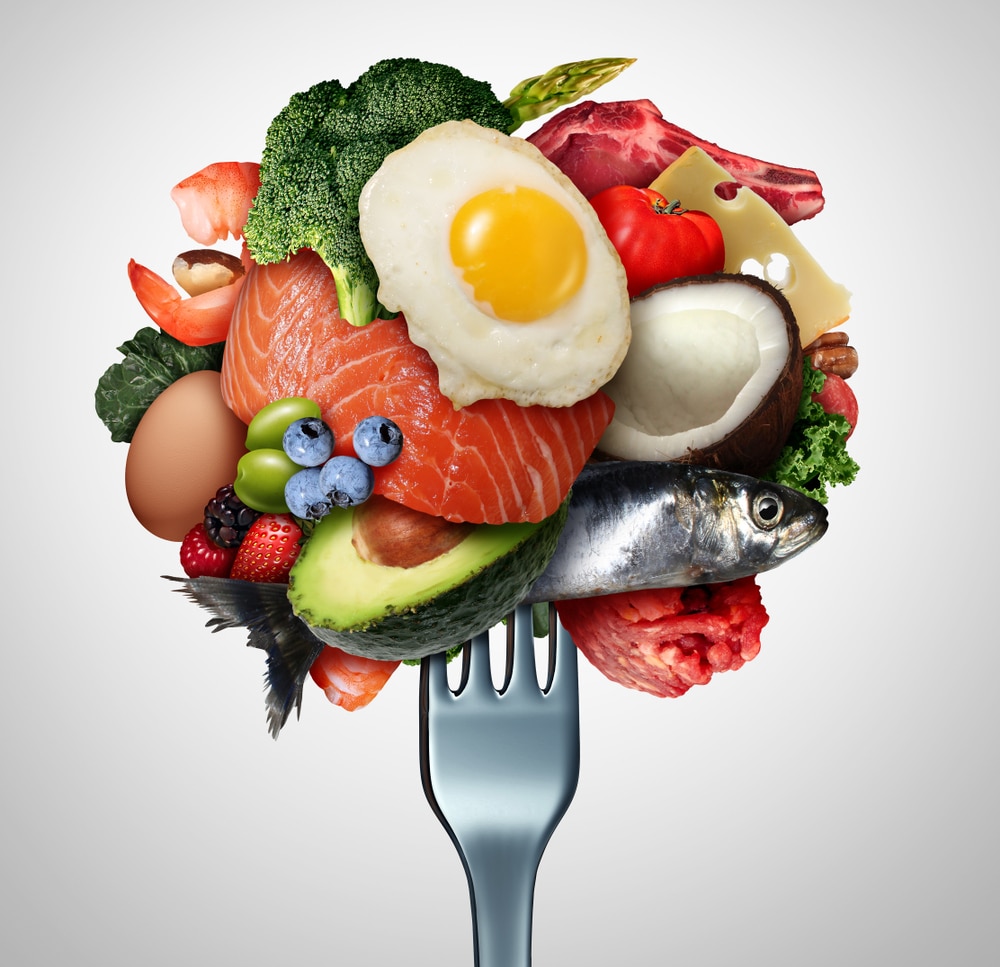
- Fatty Fish: Salmon and sardines are abundant in vitamin D and Omega-3 fatty acids.
- Nuts and Seeds: Almonds and sunflower seeds not only provide magnesium but also healthy fats.
- Fortified Foods: Many cereals, plant-based milks, and juices come fortified with essential vitamins and minerals.
Enhancing one’s diet with these foods can play a critical role in reducing the risk of bone diseases. Furthermore, with the correct nutritional approach, women can transform their dietary habits into powerful tools against osteoporosis. The journey toward better bone health is not one-size-fits-all; different stages of life demand varied strategies tailored to individual needs.
As we embrace these dietary essentials, women of all ages should consider the profound impact of nutrition on their bone health, setting the foundation for a life filled with mobility and strength. Awareness and informed choices can propel us toward a healthier future, combating the silent threat of bone deterioration.
| Nutrient | Importance |
|---|---|
| Calcium | Necessary for building and maintaining strong bones. Women require about 1,000-1,200 mg a day. |
| Vitamin D | Facilitates calcium absorption, promoting overall bone health. Recommended intake is 600-800 IU daily. |
| Magnesium | Key in bone formation and helps convert vitamin D to its active form; around 310-320 mg is recommended. |
| Vitamin K | Supports the protein matrix in bones, which is important for gaining a healthy structure; target intake is about 90-120 mcg. |
| Omega-3 Fatty Acids | May reduce bone loss and enhance bone density; incorporate fatty fish or flaxseeds for optimal health benefits. |
Understanding the critical role these nutrients play in enhancing bone strength and preventing osteoporosis is essential for women at every stage of life. Incorporating these ingredients naturally into your daily diet, with foods rich in these essential vitamins and minerals, can lead to healthier bones and overall wellness. For instance, dairy products, leafy greens, and fortified foods are excellent sources of calcium, while fatty fish and fortified milk provide ample vitamin D. Each nutrient not only serves its purpose but also interacts synergistically, making their collective role even more vital in achieving robust long-term bone health. Exploring these nutrients further can provide valuable insights on how to tailor a diet that supports women’s unique health needs throughout their lives.
LEARN MORE: Click here for more insights
Nourishing the Framework: The Role of Micronutrients
While calcium and vitamin D often take center stage in discussions surrounding bone health, micronutrients play an equally vital supporting role in building and maintaining strong bones. These include a range of vitamins and minerals which collectively contribute to optimal bone density and function. Women must pay attention to these subtle yet powerful players in their nutritional repertoire.
Magnesium, for instance, is crucial for converting vitamin D into its active form in the body, which subsequently enhances calcium absorption. A deficiency in magnesium can disrupt this process, leading to compromised bone health over time. Good sources of magnesium include whole grains, legumes, nuts, and green leafy vegetables. According to the National Institutes of Health, women aged 19 to 30 should aim for 310 mg of magnesium per day, while older women (aged 31 and above) require about 320 mg.
Vitamin K, often overlooked, is integral for bone metabolism. It aids in the production of osteocalcin, a protein that binds calcium to the bone matrix. A study published in the Journal of Bone and Mineral Research highlighted that adequate vitamin K intake is associated with better bone density. Foods rich in vitamin K, such as broccoli, Brussels sprouts, and fermented dairy products like yogurt, can significantly bolster bone health.
Zinc and copper also deserve a mention when it comes to bone integrity. These trace minerals help in the formation of collagen, a protein that acts as a scaffolding for bone structure. Deficiencies in either mineral have been shown to compromise bone strength. Oysters, beef, and pumpkin seeds are rich in zinc, while shellfish, nuts, and whole grains provide a good source of copper.
In addition to vitamins and minerals, it is also important to consider the role of Omega-3 fatty acids. Regular intake of these essential fats has been correlated with increased bone density as they assist in the absorption of calcium and may suppress bone-degrading cells called osteoclasts. Fatty fish, such as salmon and mackerel, as well as flaxseeds and walnuts, are excellent sources that can enrich a woman’s diet and support overall bone and joint health.
Moreover, the emerging trend of plant-based diets brings attention to a more diverse array of nutrients that may promote bone health. For example, legumes, which are enjoyed in many vegetarian and vegan diets, are not only rich in protein but also contain important minerals like calcium and magnesium. Tofu, along with fortified plant milks, can provide essential nutrients that are typically associated with dairy without the lactose. However, women considering a plant-based diet should ensure that they receive adequate amounts of all the essential nutrients required for bone health.
The integration of these micronutrients into daily habits can form a robust foundation for nourishing bones at every stage of life. Women can benefit from keeping a diverse plate filled with these nutrient-rich foods while being mindful of their daily intake to ensure that no essential vitamin or mineral is overlooked. Embracing a holistic approach to nutrition—incorporating both macronutrients and micronutrients—will allow women to thrive and maintain their bone health for the long haul.
DISCOVER MORE: Click here to learn about nutritional support during menopause
Conclusion: Building Stronger Bones Through Nutrition
In conclusion, the journey towards optimal bone health for women across all stages of life is intricately linked to a comprehensive understanding of nutrition. While calcium and vitamin D are often heralded as the champions of bone strength, the critical roles played by micronutrients such as magnesium, vitamin K, zinc, copper, and omega-3 fatty acids cannot be overstated. Each of these nutrients contributes to the intricate processes of bone formation and maintenance, ensuring that the framework of our bodies remains resilient and robust.
The importance of incorporating a varied diet rich in these essential nutrients cannot be emphasized enough. Women should seek to include a colorful array of fruits, vegetables, whole grains, and healthy fats in their daily meals to not only support their bone density but also improve overall health and well-being. The rise of plant-based diets offers exciting opportunities to access a wealth of nutrients that promote bone health without the drawbacks associated with certain animal products. However, it is vital for those considering such diets to remain vigilant in their nutritional choices, ensuring they meet all necessary dietary requirements.
Ultimately, the foundation for strong bones begins with making informed dietary choices that empower women to thrive at every age. By embracing a holistic approach to nutrition—one that beautifully intertwines macronutrients and micronutrients—women can pave the way for a healthier future and mitigate the risks associated with bone-related ailments. Investing in nutrition today will yield dividends in bone health tomorrow, leading to a life filled with vitality and strength.