
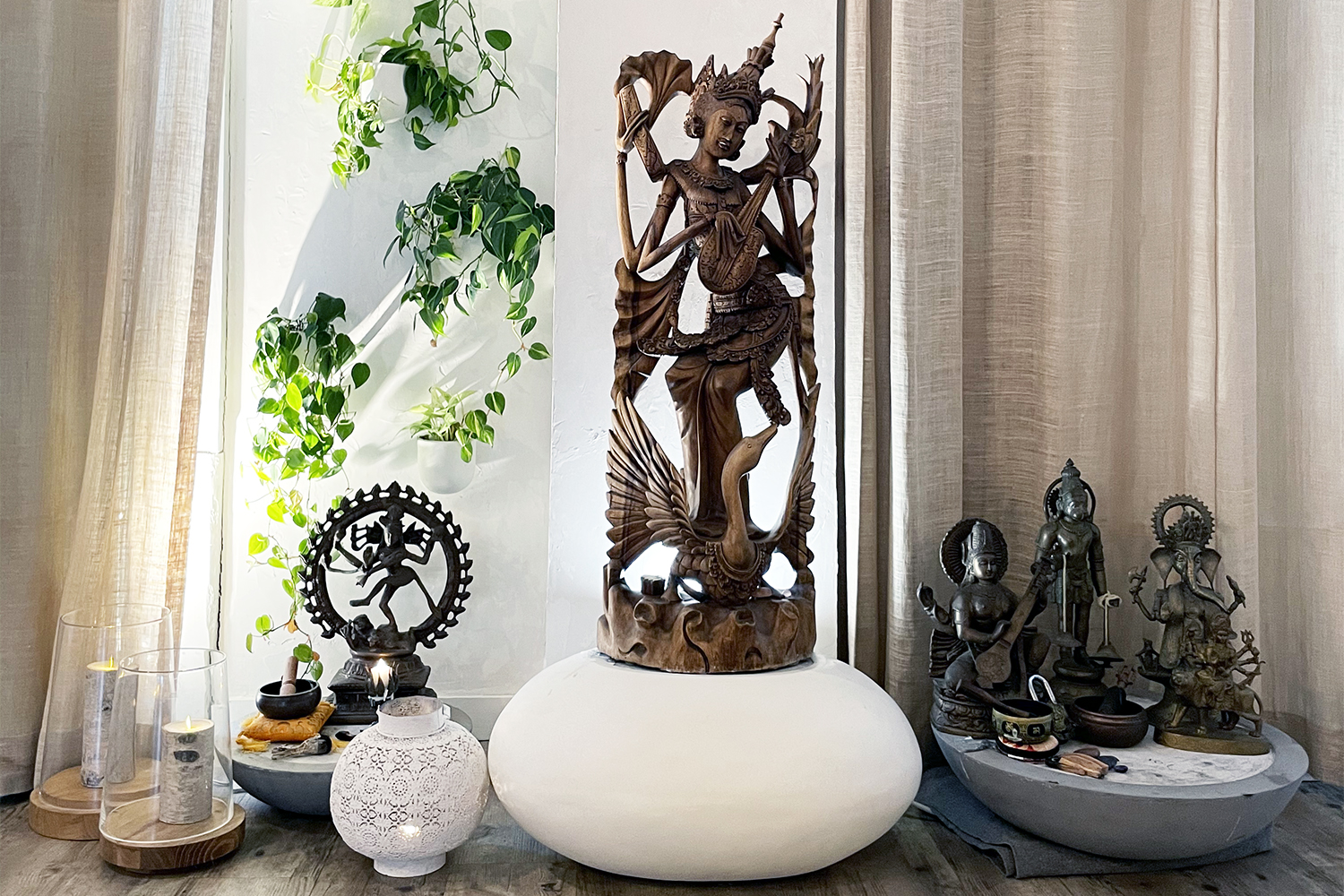
The Importance of Creating a Sanctuary at Home
In this era where the demands of daily life can sometimes feel overwhelming, prioritizing self-care is vital for maintaining mental and emotional stability. Establishing a sanctuary at home can serve as a vital retreat, offering a dedicated space to decompress and rejuvenate from the stresses that accompany our fast-paced lifestyles. This concept of a personal sanctuary not only promotes relaxation but also encourages deeper self-reflection and mindfulness.
Transforming Mundane Moments into Cherished Rituals
A well-designed sanctuary can turn everyday moments into significant practices of self-care. By intentionally crafting this space, you foster an environment that supports well-being. Below are several key elements to consider as you embark on creating your self-care haven:
- Choose a dedicated area: Finding the right location is the first step in establishing your sanctuary. This could be a quiet corner in your bedroom, a spare room that you can easily transform, or simply a cozy nook in your living room filled with comfortable seating. The important thing is to ensure it is a space where you can retreat from distractions and the noise of daily life.
- Incorporate nature: Bringing natural elements into your sanctuary can profoundly affect your mood and mindset. Consider adding a few indoor plants, such as snake plants or peace lilies, which not only improve air quality but also enhance the aesthetic of your space. You could also include natural decorations like stones or wood accents that ground your spirit and provide a sense of calm.
- Set the mood with lighting: The right lighting can dramatically affect the ambiance of your sanctuary. Soft lighting, such as fairy lights or strategically placed lamps, can create a warm and inviting atmosphere. Alternatively, using candles infused with essential oils can transform your space into a soothing retreat, filling it with calming scents like lavender or eucalyptus that further promote relaxation.
- Add personal touches: Personalization is key when designing your sanctuary. Include items that inspire you and resonate with your soul. This could entail displaying your favorite books, meaningful photographs from memorable moments, or cherished mementos from travels. Each item should evoke positive feelings, offering you comfort and motivation whenever you spend time in this space.
Transforming Space into a Self-Care Tool
Through thoughtful design, you can transform this dedicated area into a powerful tool for nurturing both body and mind. By committing to this space, you not only set aside time for self-care but also prioritize your needs, fostering an environment that encourages relaxation and self-discovery. Research indicates that having a designated space for mindfulness activities, such as meditation or journaling, can significantly improve mental well-being, enabling individuals to manage stress better and enhance overall life satisfaction.
In summary, creating a sanctuary at home is more than just an interior design project; it is a commitment to self-care and personal growth. By dedicating time to create this sacred space, you empower yourself to engage in nurturing rituals that can lead to a more balanced and fulfilling life. Explore further into how such spaces can influence your well-being, and consider making this positive change in your life today.
LEARN MORE: Click here for insights on nutritional support during menopause
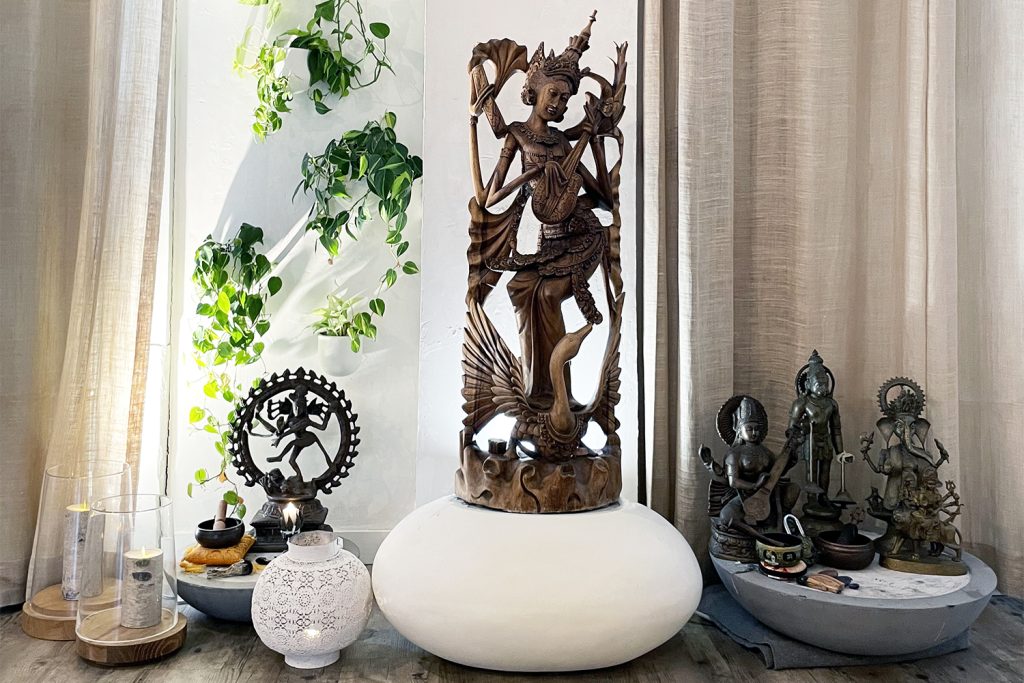
Key Elements of a Sacred Space
When setting out to design a sacred space at home, it helps to understand that each element contributes uniquely to the overall atmosphere. The goal is to cultivate a calm, nurturing environment that resonates with your personal needs and preferences. Here are several essential components to consider when creating your self-care oasis:
- Sound environment: Sound plays a crucial role in shaping your mood. For many, soothing background music or the gentle sounds of nature—like chirping birds or flowing water—can create an encompassing atmosphere of tranquility. You might also consider incorporating a small water feature or an essential oil diffuser that emits therapeutic sounds to enhance your sensory experience.
- Comfortable furnishings: The furniture you choose should invite relaxation. Invest in cozy seating, plush cushions, and soft blankets that evoke a sense of comfort. A relaxing chair or a meditation cushion can transform your space into a personal retreat, urging you to pause and unwind whenever you need. This intentional choice of furniture makes it easier to settle in for reflective practices or activities such as reading and journaling.
- Aromatic influences: Scent can powerfully influence our state of mind. Consider the use of essential oils, incense, or scented candles to enhance your ambiance. Choose fragrances that promote relaxation and stress relief, such as lavender, chamomile, or sandalwood. A well-chosen scent can transport you to a peaceful state of mind, making it easier to leave behind the day’s burdens.
- Incorporate creativity: Allow your creativity to flourish within your sanctuary. This can be facilitated by adding supplies for art projects, journaling materials, or even musical instruments. By fostering a space for artistic expression, you encourage yourself to engage in activities that enhance emotional healing and self-discovery. Engaging in creative pursuits not only brings joy but also fosters mindfulness and presence.
- Mindful color palette: The colors in your sanctuary can evoke different feelings and responses. Soft, neutral colors such as pastels can promote a sense of peace, while bolder shades can inspire energy and creativity. Take time to select a palette that resonates with your style while simultaneously creating the right emotional atmosphere for self-care activities.
Embracing Mindfulness in a Designed Space
Creating a sacred space is not just about aesthetics; it also calls for a commitment to mindfulness. By dedicating time to this area for self-care practices—whether it’s meditating, reading, or practicing yoga—you establish a routine centered around your well-being. According to research, having a designated space for these mindful activities enhances focus and promotes deeper self-awareness, which is crucial for managing stress levels and nurturing emotional health.
It’s important to understand that this sanctuary reflects your unique identity and personal journey. The process of creating and utilizing your sacred space can help you cultivate deeper connections with yourself and your surroundings, paving the way for a more balanced life. As you embark on this transformative journey, explore how each element contributes to the sanctuary, and don’t hesitate to make changes as you grow and evolve.
| Benefits of a Sacred Space | Key Features |
|---|---|
| Enhances Mental Clarity | A designed area fosters focus, promoting mindfulness and reducing distractions. |
| Promotes Emotional Well-being | Surrounding yourself with calming elements aids in stress relief and emotional balance. |
| Encourages Consistent Self-Care | A dedicated space reminds you to prioritize your well-being, cultivating healthier habits. |
| Boosts Creativity and Inspiration | Inspiring decor and peaceful surroundings cultivate new ideas and unleash creative potential. |
Creating a sacred space at home for self-care practices can transform your routine into a ritual that promotes well-being. Engaging with your chosen environment allows you to immerse in activities that nurture your body and soul. Whether it’s a small corner adorned with plants, soothing colors, or a meditation pillow, each element works towards enhancing your mental and emotional state. By thoughtfully curating your surroundings, you create an atmosphere that encourages relaxation, reflection, and rejuvenation.Moreover, the practice of dedicating a space solely for self-care can significantly heighten your commitment to these practices. Establishing an area that feels like a haven will prompt you to return regularly, ultimately leading to a more intentional and fulfilling approach to self-care. Explore various decor and arrangements that resonate with your spirit to maximize the benefits of your sacred retreat.
DIVE DEEPER: Click here to enhance your self-care journey
Incorporating Nature into Your Sacred Space
Nature has a remarkable ability to soothe the mind and elevate the spirit, making it an essential element to consider when creating your sacred space. Integrating natural elements invites a sense of serenity and grounding that can enhance self-care routines. Start by introducing plants into your environment. Not only do they improve indoor air quality, but the presence of greenery can reduce stress and promote a sense of well-being. Studies have shown that interacting with plants can lower cortisol levels, the hormone responsible for stress response. Choose low-maintenance options like succulents, peace lilies, or snake plants if you are new to gardening.
In addition to plants, consider adding natural materials into your space. Wooden furniture, bamboo mats, or stone decor can create a serene atmosphere reminiscent of being outdoors. Textures like soft cotton or linen further enhance the sensory experience, making your space feel earthy and inviting.
- Natural light: The way light interacts with your space can drastically affect your mood. Aim to maximize natural light by positioning your sacred space near windows. Use light-filtering curtains to let in a soft glow while maintaining privacy. If natural light is limited, consider full-spectrum LED bulbs which mimic daylight, creating a nurturing ambiance.
- Outdoor elements: Don’t hesitate to bring elements from outside into your sanctuary. This could be a collection of seashells from a beach trip or a small bowl of smooth river stones. Each object carries memories, connecting you to nature while reminding you of joyful moments spent outdoors.
- Soundscapes of nature: To further echo the essence of the natural world, consider using a sound machine that features ambient nature sounds like birdsong, rain, or ocean waves. This can serve as the perfect backdrop for meditation or relaxation, harmonizing your mental space with the rhythms of the earth.
Personalization: Infusing Your Unique Essence
A sacred space should be a direct reflection of your personality and values. To achieve this, fill your area with items that resonate with your spirit. This could range from photographs of loved ones to mementos from meaningful experiences. A vision board featuring quotes or images that inspire you can act as a motivational focal point and encourage a growth mindset during your self-care practices. Consider crafting pieces that resonate with you. Handcrafted objects or art pieces not only add uniqueness but also carry a bit of your energy, enhancing the space’s sanctity.
Additionally, consider designating areas for specific practices. For instance, a corner adorned with cushions and a yoga mat for stretching and meditation can signal to your mind that it is time to shift gears. Meanwhile, a small writing desk can serve as your creative flow zone, inviting deeper explorations of thoughts and emotions through journaling.
Regular Maintenance and Rituals
To ensure your sacred space remains an effective haven for self-care, it’s vital to keep it clean and organized. Regularly declutter and refresh your space to maintain the positive energy you’ve cultivated. Consider making it a ritual to refresh the space during the change of seasons. This not only keeps it inviting but can also mark a fresh beginning for introspection and growth. You might light a candle, meditate, or reflect on your intentions for personal growth new seasons may bring.
Ultimately, the significance of creating a sacred space at home hinges on its ability to encapsulate your journey toward self-care. Cultivating a place of serenity that mirrors your essence opens the door to profound personal transformation as you embark on the adventure of nurturing your mind, body, and spirit. Each thoughtfully selected element contributes to the beauty of this sanctuary, empowering you to retreat whenever you need to recharge and refocus.
LEARN MORE: Click here to dive deeper
Conclusion: Embracing Your Sacred Sanctuary
Creating a sacred space at home for self-care practices is not merely an aesthetic endeavor; it is a profound commitment to nurturing your mind, body, and spirit. By thoughtfully incorporating elements that resonate with your unique essence, such as natural materials, meaningful décor, and elements from the great outdoors, you establish a personal sanctuary that fosters tranquility and introspection. The integration of nature, through plants and the sound of the outdoors, is crucial in enhancing this calming atmosphere, reinforcing your connection to the world around you.
Moreover, personalization plays a significant role in ensuring that your sacred space truly reflects who you are. Whether through cherished photographs, handcrafted items, or purposeful areas designated for meditation and creativity, each element serves as a reminder of your journey toward well-being. A well-maintained and regularly refreshed space invites positive energy, transforming your home into a nourishing haven for your self-care rituals.
As you embark on this journey, remember that creating a sacred space is an evolving process. It encourages you to revisit and redefine your intentions continually. Embrace the opportunity to explore this sanctuary regularly and allow it to support your growth, reflection, and rejuvenation. In these moments of retreat, you will find the strength and clarity needed to navigate life’s challenges, making your sacred space an invaluable asset on your path to self-discovery and balance.