
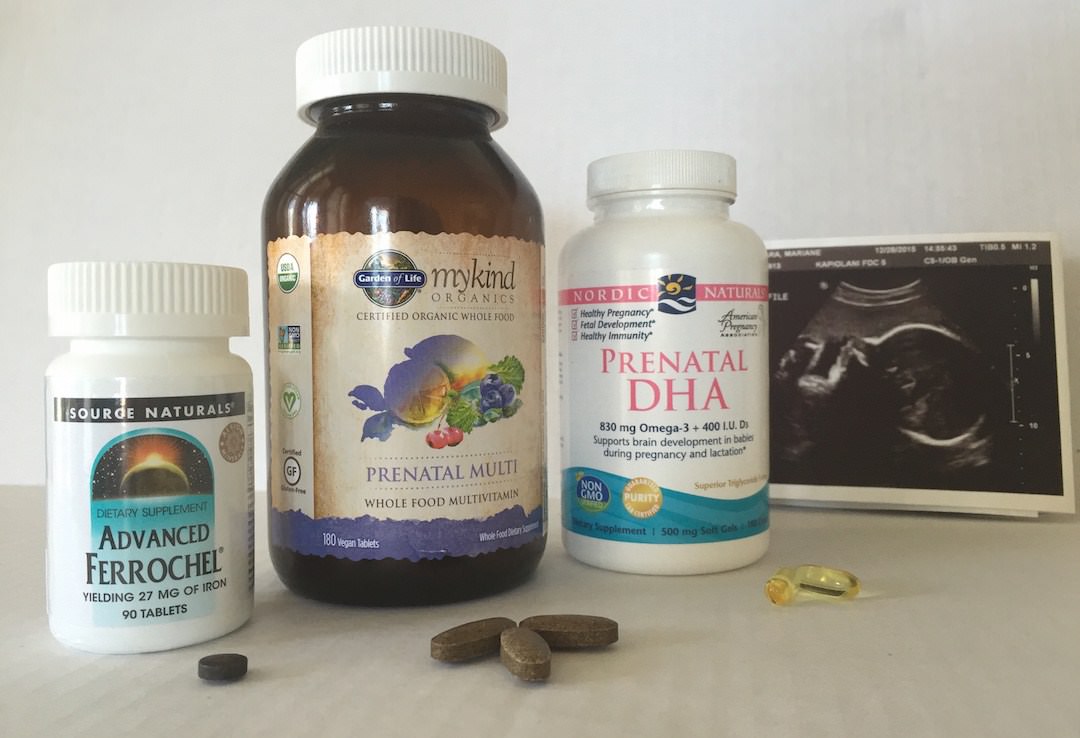
The Importance of Nutritional Supplements During Pregnancy
Pregnancy is an incredible journey marked by profound changes, both physically and emotionally. As a woman’s body adapts to nurture a developing fetus, the need for essential nutrients increases significantly. Understanding the role of nutritional supplements in this critical stage can make a substantial difference in maternal and fetal health.
Many expectant mothers grapple with questions regarding the right dietary choices and how supplements can complement their nutrition. Here are some vital areas to explore:
- Essential Nutrients: Nutrients like folate, iron, calcium, and DHA are crucial for fetal development and maternal well-being. For instance, folate is essential in preventing neural tube defects, while iron supports increased blood volume and energy levels. Omega-3 fatty acids, such as DHA, contribute to brain and eye development in the fetus.
- Potential Deficiencies: Pregnant women are at risk of deficiencies in various vitamins and minerals, often due to changes in dietary habits or increased nutritional demands. For example, Vitamin D is pivotal for calcium absorption and bone health, yet many women may not get sufficient sunlight, necessitating supplementation.
- Consulting Healthcare Providers: Tailoring supplementation to individual health needs is crucial. Women should work closely with healthcare professionals to identify specific nutritional requirements based on their health history, lifestyle, and dietary preferences. This ensures that both mother and child receive optimum nutrition without unnecessary risk.
In the United States, the overwhelming array of nutritional supplements can both empower and confuse expectant mothers. While some products are rigorously tested and supported by research, others may not be as reliable. Understanding which supplements are safe and beneficial is paramount for safeguarding the health of both the mother and fetus.
When delving into this subject, pregnant women should consider these key points:
- Research Recommendations: Familiarizing oneself with guidelines from authoritative organizations like the CDC (Centers for Disease Control and Prevention) and ACOG (American College of Obstetricians and Gynecologists) can provide a solid foundation for safe supplementation.
- Side Effects: Potential side effects and interactions with medications cannot be overlooked. Supplements, while beneficial, can sometimes lead to adverse reactions or diminish the effectiveness of prescribed treatments, highlighting the importance of professional guidance.
- Personal Health Background: Each woman’s health history can greatly influence supplementation needs. Factors such as pre-existing health conditions, dietary restrictions, and lifestyle choices play a role in determining which supplements may be necessary during pregnancy.
As you navigate the landscape of pregnancy nutrition, engaging in further research and consulting with healthcare professionals can uncover essential insights that inform your choices. By equipping yourself with knowledge about nutritional supplements, you can foster a healthy environment for both you and your baby during this remarkable journey.
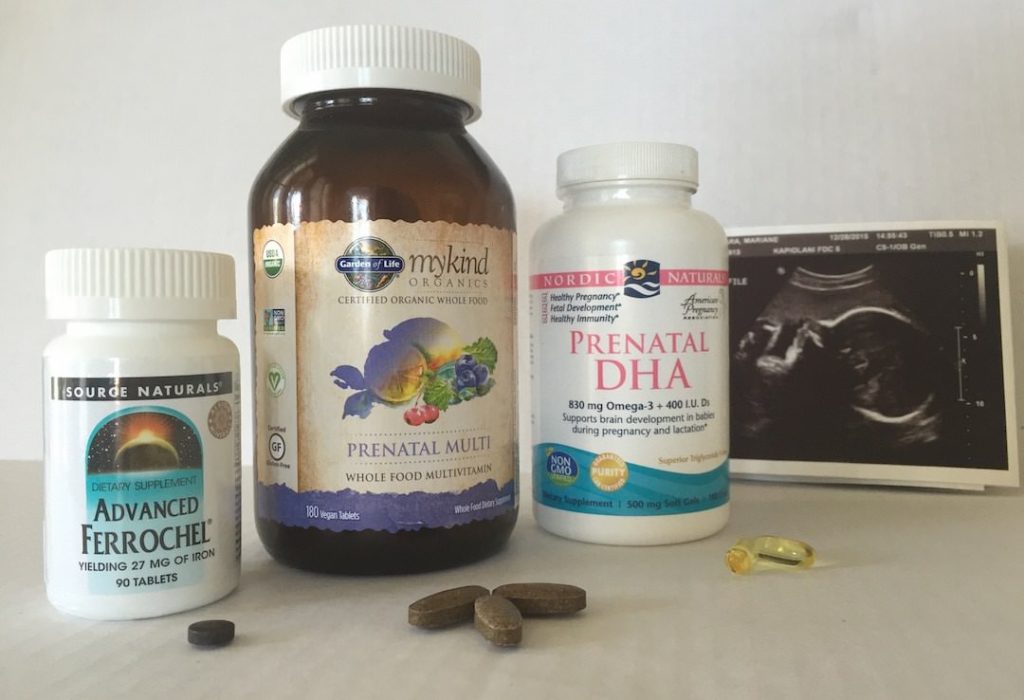
DIVE DEEPER: Click here for insights on nutritional support during menopause
Understanding Essential Nutrients for Expecting Mothers
When it comes to nutritional supplements for women in pregnancy, it’s crucial to recognize the specific vitamins and minerals that play pivotal roles in both maternal health and fetal development. Each nutrient contributes uniquely to the health of the mother and the growth of the baby, making informed supplementation a vital part of prenatal care.
Key Nutritional Supplements During Pregnancy
Among the myriad of nutrients available, there are several that stand out for their importance during pregnancy. These include:
- Folate: This B-vitamin is essential for preventing neural tube defects, which can affect the spinal cord and brain of the developing fetus. It is recommended that women start taking folic acid at least one month prior to conceiving and continue throughout the first trimester, with a general recommendation of 600 to 800 micrograms daily during pregnancy.
- Iron: The body’s need for iron increases significantly during pregnancy, as it is crucial for producing hemoglobin, which carries oxygen to both the mother and fetus. Many women find it helpful to supplement with iron, particularly in the second and third trimesters when iron demand peaks. A recommended intake is typically around 27 milligrams per day.
- Calcium: Essential for developing strong bones and teeth, calcium also plays a role in blood circulation and muscle function. Pregnant women are advised to aim for 1,000 milligrams of calcium daily, which can often be reached through a combination of diet and supplements.
- Vitamin D: This nutrient supports calcium absorption and promotes bone health. As many women do not receive adequate sunlight, supplementation of 600 to 800 IU per day is often suggested to help maintain optimal levels during pregnancy.
- DHA: An omega-3 fatty acid, DHA is vital for brain and eye development in the fetus. Pregnant women can benefit from a daily intake of around 200 to 300 milligrams, especially if they do not consume fish regularly.
These nutritional supplements not only ensure healthy development but also help to mitigate common pregnancy-related issues. For instance, proper iron levels can alleviate fatigue, a common complaint among expectant mothers, while adequate calcium and vitamin D can help prevent maternal bone density loss.
Customizing Supplements for Your Needs
However, it’s essential to note that every pregnancy is unique. Factors such as pre-existing health conditions, dietary restrictions, and even geographic location can affect nutritional needs. Women who follow a vegan diet, for instance, might find themselves more susceptible to certain deficiencies and may need to seek out additional supplementation, such as B12 or iron, to meet their needs effectively.
Therefore, before starting any regimen of nutritional supplements, pregnant women should schedule a consultation with their healthcare provider. This personalized approach not only ensures safety and efficacy but also maximizes the health benefits of the supplements chosen.
In conclusion, understanding which nutritional supplements are essential during pregnancy can empower expecting mothers to make informed choices that promote better health outcomes for themselves and their babies. By focusing on these crucial nutrients, women can embrace their journey with confidence and well-being.
| Category | Key Features |
|---|---|
| Folic Acid | Essential for fetal neural tube development, reducing the risk of defects. |
| Iron Supplements | Helps prevent anemia and supports blood supply to the developing fetus. |
| Calcium | Supports bone health for both mother and baby, crucial in the second and third trimesters. |
| Omega-3 Fatty Acids | Promotes brain development in the fetus, particularly DHA during pregnancy. |
In discussing the importance of nutritional supplements during pregnancy, it is essential to highlight the top categories that play vital roles in maternal and fetal health. Folic Acid stands out as critical because it significantly reduces the chances of neural tube defects, which can impact spinal and brain development. Moving on, Iron Supplements are indispensable for preventing anemia; this condition can cause fatigue and poses risks to both mother and child. Furthermore, Calcium is pivotal in ensuring the growth of strong bones, especially as fetal bone mass increases rapidly during the second and third trimesters. Lastly, Omega-3 Fatty Acids, particularly DHA, are essential for neurodevelopment, aiding in the proper formation of the fetal brain and eyes.These supplements not only contribute to the physical health of the mother but also ensure optimal growth and development of the child, paving the way for a healthier future as nutrition plays a foundational role in development. Exploring each supplement’s benefits encourages expectant mothers to consider how tailored nutrition can have lasting positive effects on both themselves and their babies.
EXPLORE MORE: Click here to enhance your self-care journey
Considerations for Choosing the Right Supplements
When navigating the landscape of nutritional supplements for women in pregnancy, it’s vital to consider not just the nutrients needed but also how to select the right products. With countless options available, understanding which supplements provide the highest quality and purity can significantly impact maternal and fetal health.
Quality and Safety Standards
One of the first things to look for in prenatal supplements is quality assurance. In the United States, the Food and Drug Administration (FDA) does not regulate supplements as strictly as pharmaceutical drugs. However, reputable brands often adhere to Good Manufacturing Practices (GMP), ensuring their products are produced in a controlled and consistent environment. Opting for supplements that have undergone third-party testing can add an extra layer of safety. Certifications from organizations like US Pharmacopeia (USP) or NSF International indicate that the supplements meet specific safety and quality standards.
Whole Food vs. Synthetic Supplements
Another consideration is the source of the supplements. Women may choose between whole food-based supplements, which are derived from real food and typically include additional nutrients and enzymes that aid absorption, and synthetic versions, which contain isolated nutrients. While both can be effective, whole food supplements may provide a more balanced combination of vitamins and minerals. For instance, they often include a variety of phytonutrients that synthetic supplements lack.
Allergies and Dietary Restrictions
When selecting a prenatal vitamin or supplement, individuals with food allergies should scrutinize labels carefully. Common allergens like gluten, dairy, or soy can be found in some formulations. Women following specific dietary restrictions, such as those who are vegan or allergic to shellfish, should look for supplements tailored to their needs. For example, plant-based DHA supplements derived from algae are available for those who do not consume fish. It is important that these women ensure their diets and supplements are balancing the needed intake of nutrients.
Potential Interactions with Other Medications
Before starting any new supplement, women should also consider possible interactions with prescribed medications. Some vitamins and minerals can influence the efficacy of medications or lead to unexpected side effects. For instance, high doses of vitamin K can interfere with blood thinners. To avoid such complications, a thorough discussion with healthcare providers is crucial for a comprehensive understanding of how nutritional supplements may fit into individual health plans.
The Importance of Lifestyle Factors
In addition to supplements, overall lifestyle factors play a significant role in pregnancy health. Women are encouraged to adopt a balanced diet rich in whole foods, including fruits, vegetables, lean proteins, and whole grains, which can complement their supplement regimen. Regular physical activity, stress management techniques, and adequate hydration also contribute positively to maternal and fetal health. Thus, supplements should be viewed as an enhancement to an already healthy lifestyle rather than a sole solution.
As women explore their options for nutritional supplements during pregnancy, being informed and intentional can lead to better health outcomes. Awareness of the quality, sourcing, and compatibility of supplements ensures that expecting mothers can navigate their pregnancy journey with confidence and support.
DIVE DEEPER: Click here to enhance your self-care practices
Conclusion
In conclusion, navigating the world of nutritional supplements for women in pregnancy is a multifaceted journey that demands awareness, research, and consultation with healthcare professionals. The importance of tailored prenatal vitamins cannot be overstated as they are critical in providing essential nutrients like folic acid, iron, and DHA, which support fetal development and mitigate pregnancy-related risks.
Choosing the right supplements involves evaluating quality, sourcing, and potential interactions with other medications. Expecting mothers must prioritize brands that follow stringent quality assurance practices and engage with their healthcare providers to ensure the selected products align with their unique health needs. Moreover, it is vital to balance supplementation with a nutrient-dense diet filled with whole foods. This holistic approach not only enhances maternal well-being but also nourishes the developing fetus.
As awareness grows around the significance of adequate nutrition during pregnancy, women are encouraged to educate themselves further about the options available. Reading labels, researching brands, and staying informed about the latest findings in maternal nutrition can empower women to make confident choices in their supplement regimens. Ultimately, prioritizing both nutrient intake through supplements and overall lifestyle factors can pave the way for a healthier pregnancy and nurture the foundation for the child’s future health.