
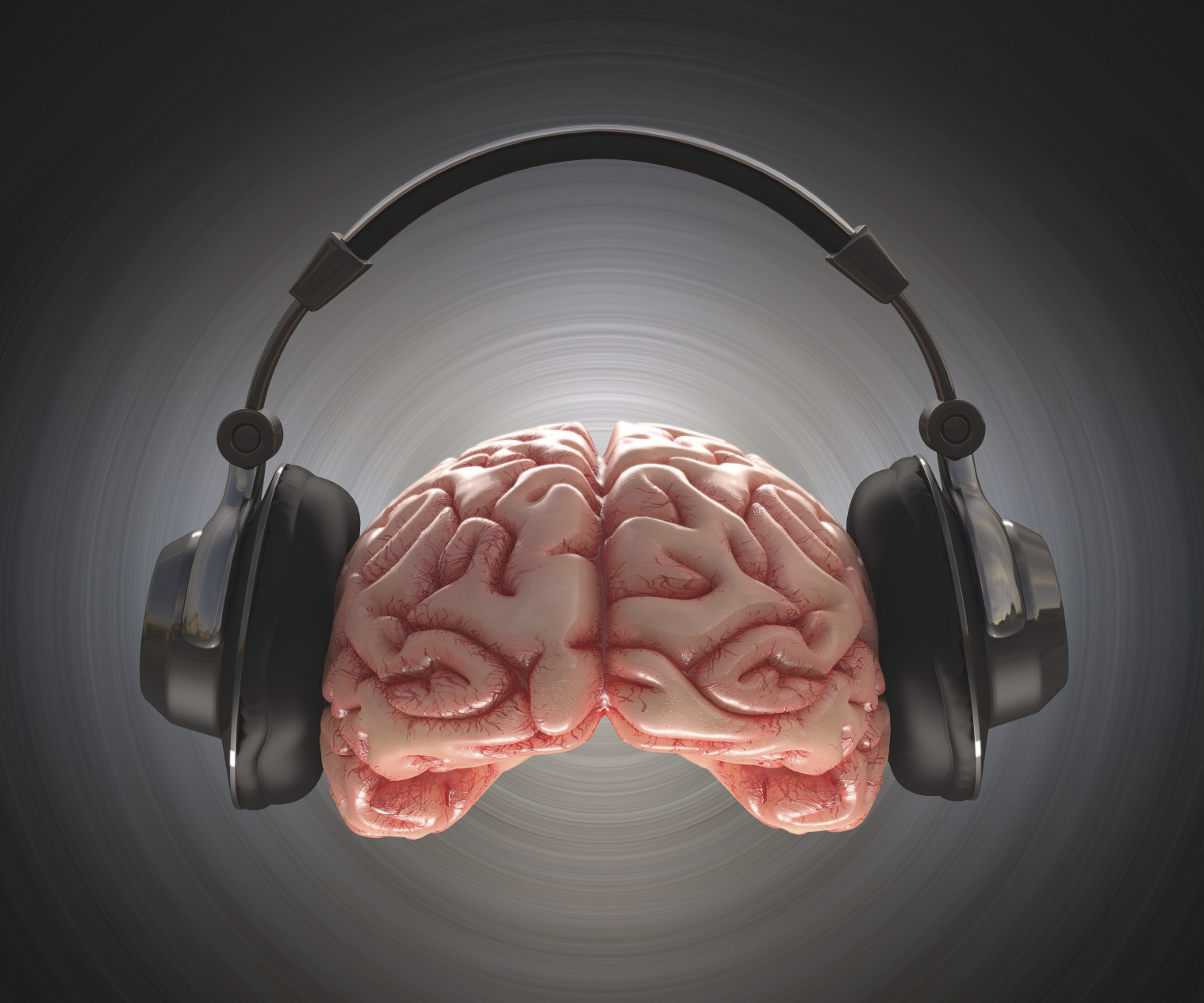
The Transformative Impact of Music on Mental Health
Music is more than just a collection of notes and rhythms; it is a dynamic force that shapes emotions and influences our mental health in profound ways. For women, who often juggle multiple roles and face unique societal pressures, the effects of music can provide essential stress relief, emotional regulation, and even a sense of community.
Extensive research has shown that listening to music can:
- Reduce stress: For instance, studies have demonstrated that calming tunes can significantly lower levels of cortisol, the hormone associated with stress, which in turn can alleviate anxiety. Listening to soothing genres such as classical or ambient music creates a peaceful atmosphere that allows women to unwind after a long day.
- Enhance mood: Upbeat melodies, particularly those with a fast tempo and major chords, can stimulate the release of feel-good neurotransmitters like serotonin and dopamine. Playlists featuring artists like Lizzo or Pharrell Williams can elevate spirits and promote a sense of joy and empowerment.
- Improve sleep quality: Gentle soundscapes, such as nature sounds or soft instrumental tracks, foster an environment conducive to restful sleep. Research shows that women who listen to calming music before bed experience deeper sleep and less insomnia, leading to a more refreshed morning.
Beyond personal listening experiences, sound therapy and music intervention programs are gaining popularity as effective mental health strategies. Many therapeutic practices encourage women to express their emotions through sound, whether by playing musical instruments, singing, or even engaging in group drumming sessions. These methods create safe spaces where women can process their feelings, build resilience, and connect with others.
In the context of a fast-paced society, understanding how music impacts mental health has never been more crucial. Music therapy has shown promising results in addressing various psychological issues, including depression, anxiety, and trauma. For example, a randomized study published in the Journal of Music Therapy found that women with depression reported significantly lower symptoms after participating in a structured music therapy program over several weeks.
This exploration of the intricate relationship between music, sound, and women’s mental health reveals the transformative power of sound. With continued research and an increasing number of programs available, we can harness this potential to foster greater well-being and resilience among women, thereby enhancing their quality of life. Embracing music as a vital tool in our mental health arsenal not only empowers women but also encourages society as a whole to recognize the importance of emotional expression through sound.
DISCOVER MORE: Click here to learn about the benefits of meditation
Understanding the Emotional Response to Music
The emotional connection women have with music offers a unique insight into its profound influence on mental health. Studies show that women are often more emotionally attuned to music than men, making them particularly susceptible to its psychological effects. This heightened sensitivity can be both a blessing and a curse, as the same piece of music that uplifts one woman may evoke memories of sorrow and loss for another. Understanding these emotional responses is essential for harnessing music’s full potential as a mental health tool.
Music’s ability to evoke feelings is not merely anecdotal; it is backed by scientific research. For instance, a study conducted by the University of California revealed that women typically process music through both their emotional and cognitive faculties, allowing them to experience deeper connections to lyrics and melodies. This cognitive engagement can lead to a shift in mood—transforming feelings of sadness into empowerment or reinforcing feelings of joy. Given this emotional landscape, women can use music as a coping mechanism during challenging times.
The Role of Lyrics in Emotional Processing
Lyrics play a critical role in shaping women’s emotional responses to music. Research has demonstrated that songs with relatable themes—such as love, heartbreak, and resilience—resonate particularly well with women. This connection is not just a personal experience but one that fosters community and shared understanding. Songs like “Fight Song” by Rachel Platten or “Stronger” by Kelly Clarkson embody themes of perseverance and empowerment, serving as anthems for many women. Engaging with such lyrics can encourage self-reflection and inspire action, facilitating a healthier mindset.
Types of Music and Their Effects
The diverse genres of music available today cater to a myriad of emotional needs, each offering distinct benefits for women’s mental health. Here are some notable categories and their associated mental health advantages:
- Classical Music: Studies indicate that listening to classical music can significantly reduce anxiety scores in women, making it a popular choice for relaxation and stress relief.
- Upbeat Pop: Upbeat pop music can stimulate feelings of happiness. Background tunes from artists like Dua Lipa or Ariana Grande boost energy levels and enhance overall mood.
- Nature Sounds: Incorporating sounds of nature, such as birds singing or ocean waves, can create a calming environment that lowers stress and enhances focus—particularly helpful for women seeking tranquility in their chaotic lives.
- Instrumental Music: Instrumental tracks can promote deep concentration and emotional release, offering a non-verbal outlet for feelings that may be difficult to articulate.
Understanding how different types of music affect women’s mental health is critical in creating personalized music therapy programs. These programs can serve as tailored interventions, addressing the unique emotional and psychological challenges that women face in various stages of life.
As we continue to explore the interplay between music, sound, and women’s mental health, it becomes evident that cultivating an awareness of individual musical preferences can lead to more effective therapeutic practices. The journey through sound offers not just solace but a pathway to empowerment, resilience, and community connection among women.
| Advantages of Music Therapy | Impact on Mental Health |
|---|---|
| Emotional Release | Music can evoke strong emotions, providing an opportunity for women to process their feelings. |
| Stress Reduction | Listening to music aids in decreasing stress hormone levels, promoting relaxation. |
| Improved Mood | Engaging with uplifting tunes can enhance overall mood and mitigate feelings of depression. |
| Social Connection | Participating in music groups fosters community and support, helping women feel less isolated. |
The exploration of music’s psychological impacts reveals the profound ways it intersects with women’s mental health, inviting further inquiry into how sound can enhance life quality. For many, music acts as a form of self-expression, allowing women to connect with their inner selves and explore their identities audibly. The therapeutic potential in settings, such as support groups or clinical environments, emphasizes the necessity for broader recognition of music therapy as a valid psychosocial intervention. Additionally, research suggests that different genres impact individuals uniquely, providing an intriguing area for deeper investigation into personal preferences and mental responses. Understanding the multifaceted relationship between sound, emotion, and mental well-being opens discussions about innovative therapeutic approaches, emphasizing music not just as entertainment, but as a genuine lifeline.
DIVE DEEPER: Click here to learn more
Music as a Therapeutic Tool for Mental Well-Being
The therapeutic use of music in addressing mental health issues among women has gained significant attention in recent years. Programs dedicated to music therapy have emerged as effective avenues for women seeking relief from anxiety, depression, and stress. This holistic approach utilizes music to facilitate emotional expression, promote healing, and encourage personal growth. Within therapeutic settings, trained professionals tailor music interventions to help women understand their emotions and navigate their mental health struggles.
Exploring Music Therapy Techniques
Music therapy encompasses various techniques that can benefit women in need of emotional support. Some common practices include:
- Lyric Analysis: This involves discussing the lyrics of songs to encourage introspection and improve emotional insight. Many women find that analyzing specific lines from songs reveals deeper feelings they might not have otherwise acknowledged.
- Songwriting: Creating original songs allows women to articulate their experiences. This can be particularly empowering, as it fosters a sense of agency and ownership over personal narratives.
- Improvisation: Making music spontaneously offers a means of expression that is often liberating. During improvisation, women can explore emotions through sound without the pressure of judgment.
- Movement to Music: Dancing or even simple movement in response to music not only enhances physical health but also promotes emotional release, helping women connect to their bodies and feelings.
Research has shown that engaging in these therapeutic techniques can decrease symptoms of anxiety and improve overall life satisfaction among women. Providing emotional outlets through music allows therapists to help women confront issues such as trauma or loss in a manageable and safe manner.
The Influence of Group Music Experiences
Group settings can deepen the positive effects of music on women’s mental health. Whether through singing circles or communal drumming, participating in group music experiences fosters connection and solidarity among women. This communal aspect of music can be invaluable for building a strong support system while tackling issues such as social isolation and self-esteem.
In a study conducted by the University of Bristol, women participating in group singing activities reported enhanced feelings of belonging and reduced levels of anxiety. The shared experience of creating music together promotes a sense of community and acceptance, which can be especially significant for women who have felt marginalized or unsupported in other areas of their lives.
Music Consumption and Mental Health Awareness
Beyond therapy, music consumption itself plays an essential role in maintaining mental well-being. Women often curate playlists that resonate with their current emotional state, providing them with a safe space to process feelings. Platforms like Spotify have made it easier than ever to create personalized playlists tailored to specific moods or situations, such as “self-care Sunday” or “upbeat motivation.” These playlists can be an empowering tool, enabling women to actively choose music that aligns with their emotional needs and goals.
In recent years, there has been a notable increase in awareness surrounding the mental health struggles women face and how music can serve as a tool for healing. Campaigns promoting the positive aspects of music and mental health, such as the “Mental Health Awareness Month,” encourage women to use music as a refuge and a companion through life’s challenges. The ability to harness the power of sound and rhythm promotes healing and personal empowerment, solidifying music’s undeniable influence in supporting women’s mental health.
DISCOVER MORE: Click here for valuable insights
Conclusion: The Profound Impact of Music on Women’s Mental Health
As explored throughout this article, music and sound emerge as powerful tools in nurturing women’s mental health. The therapeutic applications of music therapy, coupled with the communal experiences of group music engagement, present compelling pathways to emotional healing and resilience. Women can gain significant benefits from techniques such as lyric analysis, songwriting, and improvisation, all of which encourage self-expression and facilitate emotional exploration. Importantly, these practices not only provide therapeutic relief from conditions like anxiety and depression but also enable women to reclaim their narratives.
Moreover, the accessibility of curated playlists and music consumption allows women to connect with their emotions in everyday life. With the rise of digital platforms, personalized music experiences empower women to choose sounds that resonate with their current feelings, further enhancing their emotional well-being. The recognition of music’s therapeutic potential has spurred initiatives to promote mental health awareness, inviting women to engage with music as both a refuge and a tool for growth.
In an era where mental health conversations are becoming increasingly mainstream, the intersection of music and women’s mental health becomes a vital area for continued exploration. Future research and community programs centered on music’s influence hold the promise of enriching self-care practices and fostering supportive relationships among women. Ultimately, as women harness the transformative power of music, they pave the way for a deeper understanding of their emotions and collective healing, underscoring that the symphony of sound can indeed be a cornerstone of mental well-being.