
Understanding the Importance of Self-Care
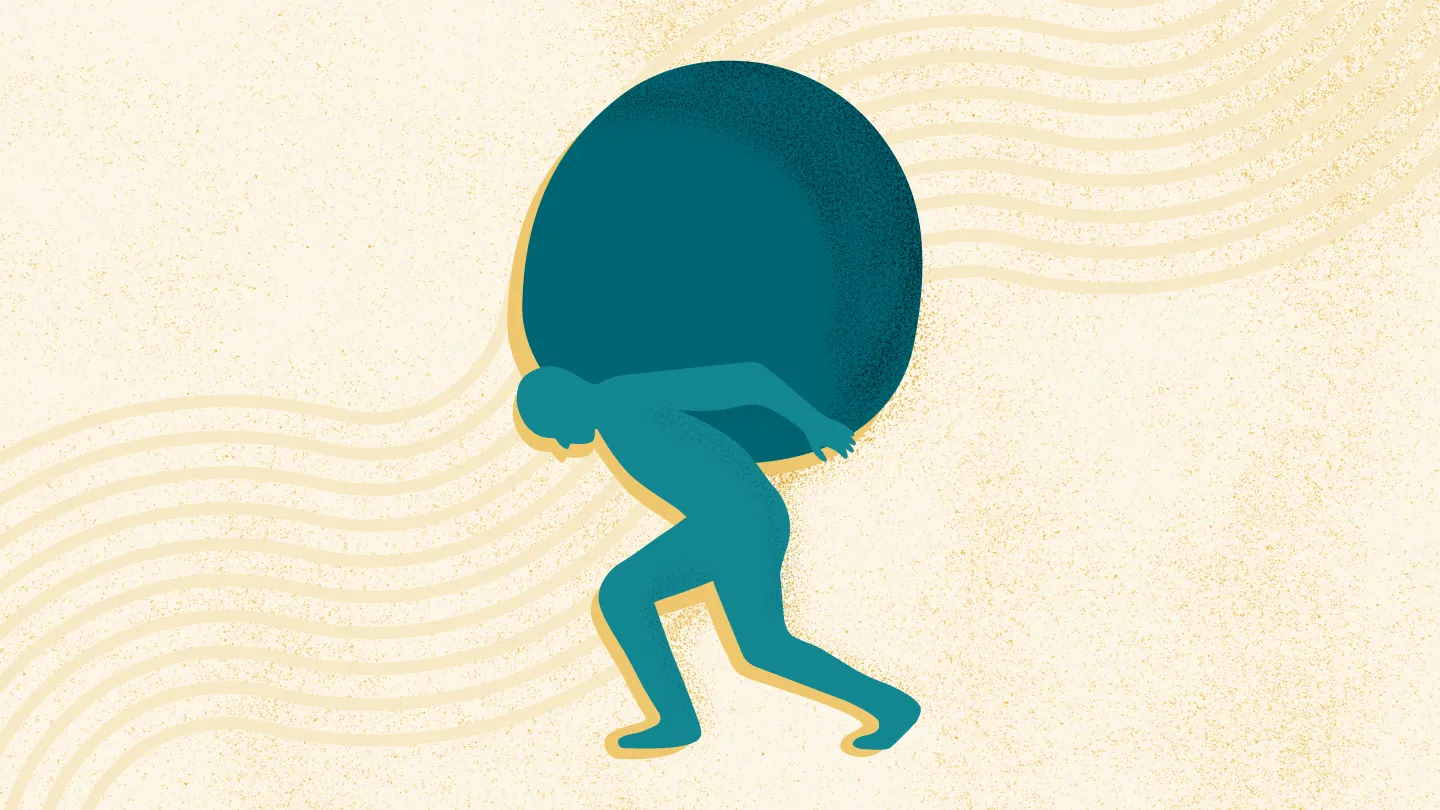
Women today juggle multiple responsibilities, often stretching themselves thin. From professional demands to personal commitments, stress can accumulate quickly, impacting both mental and physical health. Incorporating practical self-care strategies can be transformational in combating this stress. Balancing work, caregiving, and social obligations can lead to overwhelming feelings of burnout and anxiety, making self-care not just a luxury but a necessity in achieving a sustainable lifestyle.
Why Focus on Self-Care?
Self-care isn’t just a buzzword; it’s a vital component of wellness. Engaging in self-care may lead to:
- Improved mental clarity – Regular self-care practices can enhance cognitive functions, allowing for enhanced focus and decision-making. Women who prioritize their mental well-being often find that they are more productive and creative in their personal and professional lives.
- Enhanced emotional resilience – By developing a consistent self-care routine, women can build emotional strength, making it easier to cope with life’s challenges. For instance, mindfulness practices such as meditation can help individuals manage stress and regulate emotions effectively.
- Better physical health – Self-care often translates into healthier lifestyle choices, such as regular exercise, proper nutrition, and adequate sleep. These factors contribute to overall physical wellness, helping to prevent health issues that can arise from chronic stress.
Common Sources of Stress for Women
Recognizing the sources of stress is the first step towards effective self-care. Common triggers can include:
- Work-related pressures – Many women face high expectations at work, leading to long hours and increased stress. This can take a toll on both mental and physical health, resulting in fatigue and difficulty in maintaining work-life balance.
- Family obligations – Caregiving responsibilities, whether for children, elderly parents, or even partners, can be emotionally and physically draining. Women often put family needs ahead of their own, which can lead to feelings of guilt and resentment.
- Financial concerns – Economic pressures can lead to heightened stress, with many women managing household finances and worrying about future stability. This constant state of anxiety can detract from their overall well-being.
By identifying these factors, women can tailor self-care activities to their needs. Strategies such as time management techniques can help alleviate work-related stress, while community support groups might assist in easing family obligations. Moreover, financial literacy programs could empower women by providing knowledge and resources to better control their economic situation.
Simple yet effective strategies can pave the way for reduced anxiety and improved life balance. This article will explore various tactics to cultivate a healthy self-care routine and promote well-being amidst life’s chaos. From scheduling regular “me time” to engaging in hobbies, the journey to self-care is as personal as it is essential. Prioritizing self-care can unlock a more balanced and fulfilling life, allowing women to thrive in all areas of their lives.
DISCOVER MORE: Click here to enhance your self-care routine
Effective Self-Care Strategies for Everyday Life
Integrating practical self-care strategies into daily routines can make a significant difference in women’s ability to manage stress. Implementing these strategies does not have to be complicated or time-consuming; rather, they can be simple adjustments to existing habits that promote a healthier mindset and physical state. Below are some evidence-backed self-care practices that can recharge mental batteries, enhance emotional well-being, and boost physical health.
Embrace Mindfulness and Meditation
Mindfulness and meditation have gained immense popularity for their effectiveness in reducing stress. According to a study published in the Journal of Health Psychology, participants who engaged in regular mindfulness practices reported a notable decrease in anxiety levels. Simple techniques such as guided meditation or mindful breathing exercises can be easily incorporated into a busy schedule. Even dedicating just 10 minutes a day to mindfulness can lead to improved emotional regulation and overall mental clarity.
Physical Activity: Move to Cope
Regular physical activity is not only crucial for maintaining physical health; it also serves as an effective stress reliever. Engaging in exercises that increase heart rate, such as jogging, dancing, or even brisk walking, can help release endorphins—chemicals in the brain that act as natural painkillers and mood elevators. The American Psychological Association suggests that just 30 minutes of moderate exercise five times a week can lead to reduced symptoms of anxiety and depression.
Cultivating Connections
Building and maintaining strong social connections is essential for emotional well-being. Women who nurture friendships and family ties often report feeling less stressed and more supported. A study from the University of California investigated the impact of social support on stress and found that women with strong social networks experienced lower levels of cortisol, a hormone associated with stress. Setting aside time for social interactions, whether in-person or virtually, can strengthen those bonds and provide a much-needed emotional outlet.
Establishing Healthy Boundaries
Learning to say no can be one of the most empowering self-care strategies. Many women struggle with overcommitting, whether at work or within their families. Setting clear boundaries allows individuals to prioritize their own needs without feeling guilty. Taking a proactive approach to limit responsibilities can improve overall wellness and lead to better stress management. Consider creating a list of non-negotiable personal time slots, dedicated to activities that truly recharge your spirit.
Incorporating a variety of these self-care strategies into daily life can significantly reduce stress levels and promote better health. Recognizing that self-care is not a selfish act, but rather a necessary practice that enables women to be their best selves, is foundational to these efforts. By taking tangible steps to prioritize self-care, women can cultivate resilience and enhance their overall quality of life amidst the challenges they face.
| Category | Details |
|---|---|
| Mindfulness Practices | Engaging in mindfulness can significantly decrease anxiety levels. |
| Regular Exercise | Physical activity releases endorphins, which promote better mood and reduce stress. |
| Healthy Nutrition | Balanced diets can stabilize energy levels and improve mental clarity. |
| Support Networks | Building connections with others provides emotional resilience during stressful times. |
By emphasizing mindfulness practices, women can cultivate a deeper awareness of their thoughts and feelings, which can assist them in navigating stressful situations. Techniques such as meditation or deep breathing can create a sense of calm. Integrating regular exercise into daily routines not only promotes physical health but also fosters mental well-being, as it can help release built-up tension.Additionally, focusing on healthy nutrition is paramount. Consuming a balanced diet rich in vitamins and minerals aids in maintaining energy levels and optimal brain health. It has been proven that certain foods, especially those high in omega-3 fatty acids, significantly enhance mood and cognitive function.Lastly, maintaining strong support networks is crucial. Friends and family can provide a shoulder to lean on, which is particularly important during tough times. Building these connections is not just beneficial but essential for emotional stability and overall stress reduction. Engaging in these practical self-care strategies can pave the way to a more peaceful and fulfilling life.
DISCOVER MORE: Click here to learn about nutritional support for menopause
Additional Self-Care Techniques to Support Stress Management
Women face unique stressors, and implementing targeted self-care techniques can help mitigate these challenges effectively. By broadening the understanding of self-care, women can discover new avenues for relaxation and rejuvenation. Below are some innovative strategies that can complement existing practices and further assist in reducing stress levels.
Engaging in Creative Outlets
Creative expression has been shown to provide a powerful relief from stress. Activities such as painting, writing, or crafting can serve as emotional outlets, allowing women to process their feelings and thoughts in a constructive way. In a study published in the Journal of the American Art Therapy Association, participants who engaged in creative activities exhibited lower levels of anxiety and improved moods. Even if someone doesn’t consider themselves an artist, simply doodling or journaling can be therapeutic and promote mindfulness.
Prioritizing Sleep Hygiene
The connection between adequate sleep and stress management is profound. Poor sleep quality can exacerbate stress and lead to a cycle of fatigue and irritability. Establishing a healthy sleep hygiene routine can be a game changer. According to the National Sleep Foundation, maintaining a consistent sleeping schedule, creating a restful environment, and minimizing screen time before bed can drastically improve sleep quality. This, in turn, affects emotional stability and stress levels, enabling women to tackle daily challenges more effectively.
Nourishing the Body with Mindful Eating
The relationship between diet and stress is multifaceted; what we eat can impact our mood and energy levels significantly. Incorporating mindful eating practices—focusing on the experience of eating and appreciating food—can help women develop a healthier relationship with their meals. Research has shown that diets rich in fruits, vegetables, whole grains, and healthy fats can reduce symptoms of anxiety and depression. Women should consider meal planning and preparing wholesome foods, which can also serve as a form of self-care by nurturing their bodies and minds.
Learning New Skills
Continually challenging oneself to learn new skills can be a stimulating form of self-care. Whether it’s cooking classes, new languages, or even gardening, acquiring new knowledge can provide a sense of accomplishment and reduce stress levels. According to a study conducted by the University of Chicago, participating in learning activities can improve memory and cognitive function, leading to enhanced emotional resilience. Taking time to explore hobbies and interests promotes personal growth and can divert attention from daily stressors.
Utilizing Technology Wisely
In an age saturated with digital technology, it’s important to harness its potential for good rather than let it contribute to stress. Numerous apps focus on mindfulness, meditation, and fitness, providing guided practices directly accessible from a smartphone. Apps like Headspace and Calm offer tailored meditation sessions to fit even the busiest schedules. Additionally, fitness trackers can help monitor activity levels and motivate women to stay active, ultimately fostering a healthier lifestyle.
Finding the combination of self-care strategies that resonates personally is essential. By experimenting with various techniques and integrating them into the daily routine, women can reduce stress and improve their overall well-being. Recognizing that every effort counts towards enhancing mental health can lead to profound changes in stress management. The key lies in prioritizing oneself without guilt, paving the way to a more balanced and fulfilling life.
Dive Deeper: Click here to enhance your self-care journey
Conclusion
In a world where women often juggle multiple roles and responsibilities, prioritizing self-care is not just an option; it’s a necessity. The practical self-care strategies outlined in this article are designed to empower women by reducing stress and fostering emotional resilience. By exploring avenues such as creative expression, sleep hygiene, mindful eating, and even embracing new skills, women can cultivate a more balanced lifestyle that supports their mental health.
Moreover, the integration of technology into self-care practices offers a modern twist on traditional wellness methods. Utilizing digital resources can enhance mindfulness, optimize physical activity, and provide valuable tools to navigate daily challenges. As studies have indicated, these practices can significantly lower anxiety levels and improve overall mood when approached consistently.
Ultimately, the journey to effective stress management lies in personalized exploration. Women are encouraged to experiment with different strategies to find what resonates with them best. Each small step taken toward embracing self-care can lead to profound shifts in well-being, setting the groundwork for a healthier, more fulfilling life. The importance of viewing self-care as a vital component in stress reduction cannot be overstated; it is an affirmation that one’s well-being matters. So, take that first step today—embrace a self-care routine that works for you, and discover the transformative power of prioritizing your own health and happiness.