
The Power of Creativity in Alleviating Stress
In a world characterized by constant demands and a relentless pace, stress has emerged as a ubiquitous challenge, particularly impacting women who often juggle multiple roles, from career responsibilities to family obligations. The quest for effective stress management strategies has led many individuals to explore the potential of creativity and artistic expression as powerful tools for emotional wellness.
Numerous studies underscore that engaging in creative activities can significantly alleviate stress. For example, a study published in the journal Art Therapy found that participating in arts-based activities reduced cortisol levels—a hormone associated with stress—in individuals after just 45 minutes of creative work. This highlights the immediate physiological benefits that creativity can provide.
Artistic Activities
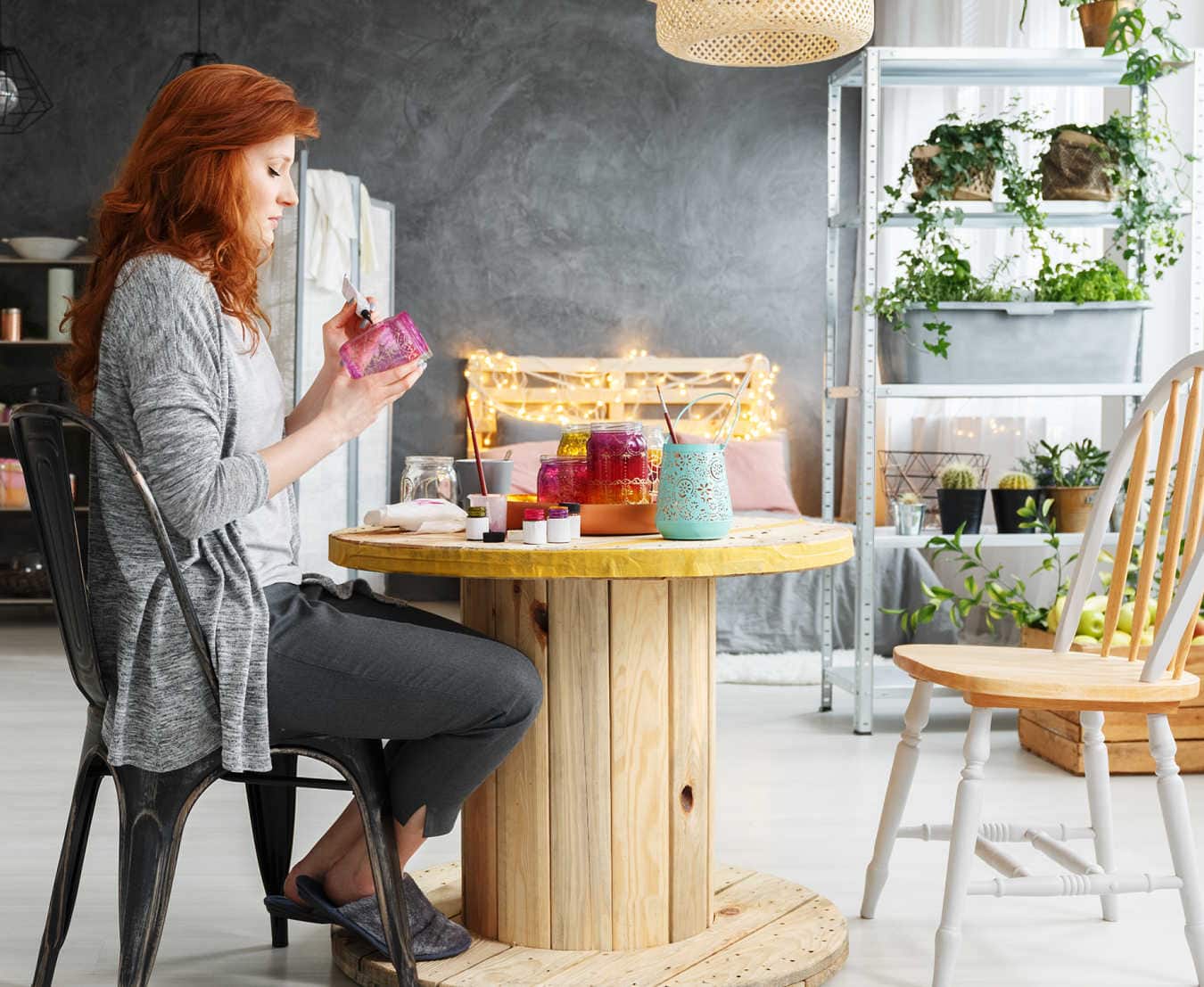
Engaging in artistic activities, such as painting, drawing, or crafting, serves as a vital outlet for emotional expression. For instance, consider a woman returning home after a hectic day—picking up a paintbrush allows her to channel her frustrations and joys onto the canvas, fostering a sense of release. Art not only allows for self-expression but also gives individuals a chance to visually process their feelings. Community art studios across the United States, such as those found in major cities like New York and Los Angeles, promote such practices, bringing people together to create in a supportive environment.
Musical Engagement
Musical engagement, whether through playing an instrument, singing in a choir, or even listening to music, has been shown to elevate mood and reduce anxiety. Music therapy is increasingly recognized within clinical settings, offering a structured way to harness music for therapeutic purposes. A notable example is the use of music to support breast cancer patients, where studies have reported reduced anxiety and enhanced emotional resilience through music intervention programs.
Writing as Therapy
Writing, particularly journaling or creating poetry, provides individuals with a therapeutic means to process feelings and experiences. Engaging in reflective writing has been documented to help people articulate their thoughts, contributing to mental clarity and improved emotional balance. Many writers have found solace in the written word; for example, notably, Anne Frank used her diary to navigate the complexities of her emotions during tumultuous times. Journaling workshops are now proliferating across the U.S., designed to equip participants with the skills needed to explore their inner worlds through writing.
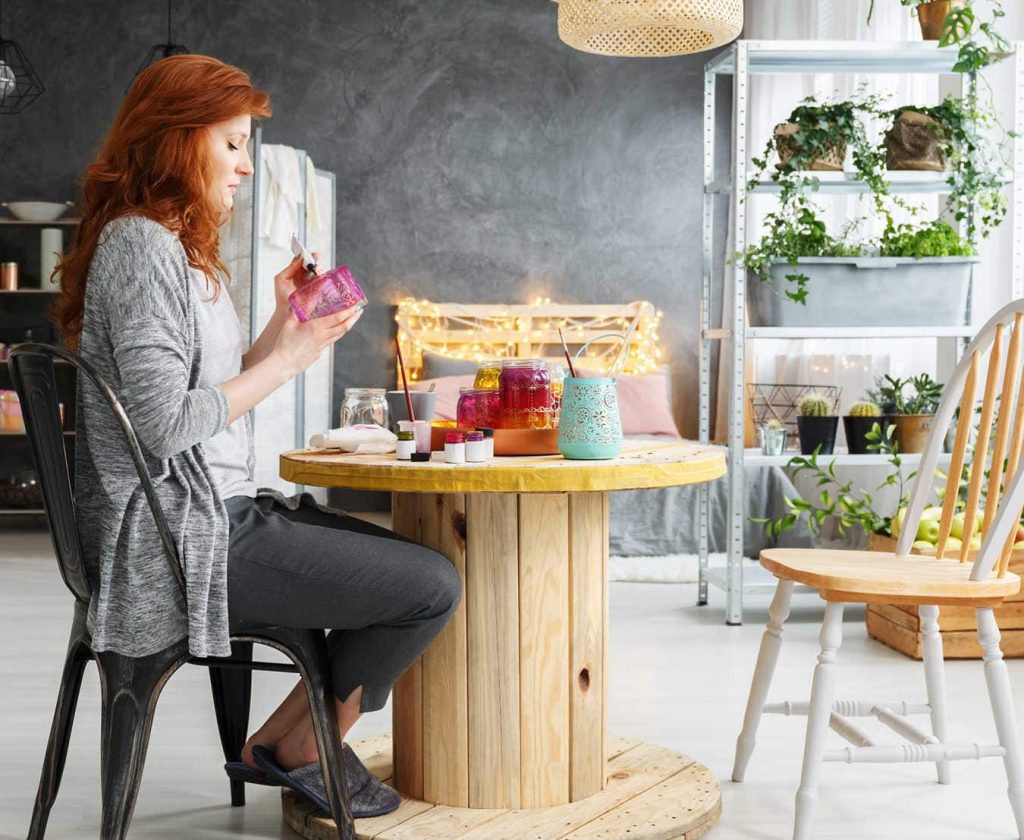
These creative forms of expression not only foster joy but also contribute significantly to resilience. Studies suggest that women who actively participate in creative pursuits report lower stress levels and heightened fulfillment in their lives. By intentionally incorporating creativity into daily routines, individuals can cultivate a profound sense of balance and well-being.
Exploring the intersection of creativity and stress reduction opens avenues for personal transformation. For those seeking to enhance their emotional health, taking the plunge into artistic ventures can be a rewarding step toward discovering new dimensions of joy and resilience in everyday life.
DISCOVER MORE: Click here to learn about mental health strategies for women</
Unlocking Emotional Wellness Through Creative Outlets
As women navigate the complexities of modern life, balancing career ambitions, family obligations, and personal aspirations can lead to overwhelming stress. In the pursuit of effective approaches to mitigate such anxiety, the exploration of creativity and artistic expression has emerged as a viable path towards enhanced emotional well-being. Engaging in creative activities not only serves as a constructive distraction but also facilitates a profound connection to one’s emotions, allowing for stress relief and relaxation.
Artistic endeavors encompass a wide range of activities, all of which offer unique avenues for personal expression and emotional release. Consider the simple act of putting pen to paper or brush to canvas: these acts allow individuals to visually manifest their thoughts and feelings, promoting a sense of catharsis that cannot be easily achieved through verbal communication alone. A 2016 study published in the journal Psychological Science indicated that art-making can significantly lower psychological distress, particularly among women who reported feeling overwhelmed by their daily routines.
The Benefits of Creative Expression
Some of the key benefits that artistic expression brings to stress reduction include:
- Enhanced Emotional Processing: Artistic activities provide a medium to explore and articulate emotions that may be difficult to express verbally, facilitating healing and personal insight.
- Improved Mindfulness: Engaging in creative pursuits encourages individuals to focus on the present moment, enabling a break from ruminative thoughts and fostering a sense of tranquility.
- Community Connection: Collective artistic experiences can enhance social ties, providing supportive networks that play a crucial role in emotional resilience.
- Increased Self-Esteem: Completing an artistic project can boost self-confidence and create a sense of accomplishment, which translates into improved overall well-being.
For many women, particularly those in high-stress professions or caretaking roles, the time spent in creative pursuits may seem like a luxury. However, the potential for stress relief offers compelling reasons to incorporate creativity into their daily routines. Simply dedicating a few minutes each day to artistic engagement can serve as a powerful form of self-care.
Musical expression also plays a significant role in stress reduction. Research illustrates that engaging with music—be it through listening, playing an instrument, or participating in group performances—can effectively lower levels of anxiety and elevate mood. For instance, according to a substantial study by the American Journal of Public Health, choirs can create a profound sense of community, allowing participants to bond over shared emotional experiences while benefiting from the therapeutic effects of music.
Whether through visual arts, music, or other forms of expression, creativity serves as a beacon of hope in navigating life’s challenges. By integrating artistic practices into their lives, women can discover not just a means of reducing stress, but a source of lifelong joy and fulfillment.
The Influence of Creativity and Artistic Expression on Stress Reduction Among Women
As stress continues to be a major concern for women of all ages, the exploration of innovative outlets such as creativity and artistic expression offers promising relief. Engaging in artistic activities like painting, writing, dancing, or music can manifest into vital coping strategies that encourage emotional healing and psychological well-being. Let’s delve deeper into how these creative pursuits play a transformative role in stress reduction.
Artistry as a Therapeutic Tool
Creative activities serve as therapeutic tools that allow women to express their emotions and experiences in a safe environment. The act of engaging in art can promote introspection and encourage thoughtful examination of personal issues. This deeply personal expression often leads to an enhanced sense of self-awareness and connection to one’s feelings.
Community Connection and Support
Moreover, engaging in group artistic activities can foster community connections, which are essential for emotional health. Workshops, art classes, and collaborative projects not only help alleviate feelings of isolation but also build networks of support. Women often find comfort in sharing their artistic processes, resulting in collective healing experiences that nurture friendships and bonds.
Mindfulness through Creativity
Additionally, artistic expression promotes mindfulness. The focus required to create can serve as a form of meditation, allowing women to shift their attention away from stressors and immerse themselves in the present moment. By channeling their energies into creative projects, they can experience a decreased heart rate and blood pressure, highlighting the physical benefits associated with artistic endeavors.
| Category | Details |
|---|---|
| Creative Expression | Engaging in various art forms like painting and writing helps in emotional release. |
| Therapeutic Communities | Workshops and group activities foster support networks leading to shared healing experiences. |
In summary, creative and artistic expression emerges as a vital mechanism for stress management among women. The avenues for artistic engagement not only facilitate emotional understanding but also promote well-being through community ties and mindfulness practices. As research and personal testimonies continue to illuminate these benefits, the importance of encouraging creativity for stress reduction grows increasingly vital.
DISCOVER MORE: Click here to learn about its importance
Creative Practices as Effective Stress Management Tools
The relationship between creativity and stress reduction is not simply anecdotal; numerous studies have provided empirical support that artistic expression can significantly influence mental health. For instance, a 2017 meta-analysis published in the journal Art Therapy aggregated findings from multiple studies and revealed that engaging in creative activities can result in significant decreases in stress and anxiety levels among women. This evidence bolsters the idea that embracing creativity isn’t just indulgent—it is essential for nurturing mental health.
One of the most accessible forms of creativity is written expression, particularly journaling. Many women find solace in documenting their thoughts and feelings on paper, providing a safe space for reflection and emotional clarity. Research conducted at the University of Texas found that expressive writing sessions can lead to lower stress levels and improved overall well-being. Participants who engaged in writing about their emotions reported not only reduced anxiety but also more clarity in their day-to-day experiences and decision-making processes.
Variations of Creative Expression
The breadth of artistic expression extends beyond visual arts and music. Other forms, such as dance and theater, also contribute to emotional wellness. Dance therapy, for example, progresses from the principle that movement is deeply intertwined with emotional experience. Engaging in dance releases pent-up energy and tension while simultaneously promoting physical fitness. Studies have demonstrated that dance can significantly reduce symptoms of depression and anxiety, particularly among women recovering from trauma.
Theater arts also offer a unique platform for self-discovery and connection. Participation in community theater enables women to explore various roles, fostering empathy and understanding. A 2019 survey conducted by the National Endowment for the Arts highlighted that women involved in performing arts reported greater levels of emotional resilience and lower stress levels compared to those who did not participate in such pursuits. The communal aspect of theater enhances social interactions, breaking down feelings of isolation and creating bonds that form a stable support network.
Furthermore, integrating mindfulness techniques into creative practices amplifies their stress-relieving benefits. Mindfulness art practices encourage participants to let go of judgment and perfectionism, focusing instead on the process of creation. Art forms that promote mindfulness, such as mandala drawing or adult coloring books, have surged in popularity, especially among women. Studies have shown that these activities help to ground individuals in the present moment, effectively reducing stress levels and enhancing emotional regulation.
With the overwhelming evidence supporting the role of creativity in alleviating stress, it is evident that women can harness these practices as powerful tools for emotional wellness. The ability to engage in an artistic form not only aids in managing stress but ultimately enhances self-understanding and personal growth, creating pathways that lead to a more balanced and fulfilling life.
DISCOVER MORE: Click here to enhance your self-care routine
Embracing Creativity for Better Mental Health
In conclusion, the connection between creativity and stress reduction among women is well-supported by research and practical experiences alike. Through various forms of artistic expression, including writing, dance, and theater, many women discover effective outlets for managing stress, fostering emotional resilience and well-being. Engaging in these activities not only provides a necessary escape from daily pressures but also helps in building social connections that are essential for mental health.
Moreover, the integration of mindfulness techniques within creative practices transforms the act of creation into a method for grounding oneself in the present moment. Activities that promote mindfulness—such as coloring or mandala drawing—not only reduce anxiety but also encourage women to explore their thoughts and emotions without judgment. This aspect of artistic involvement creates a unique opportunity for introspection and self-discovery, vital components in nurturing mental health.
As the evidence accumulates, it becomes increasingly evident that tapping into one’s creative potential is not merely a luxury; it is a legitimate pathway to emotional wellness. For women looking to manage stress effectively, engaging with the arts—whether through personal hobbies or community involvement—can lead to a richer, more fulfilling life. By embracing creativity in all its forms, women not only combat stress but also enhance their understanding of themselves and their capabilities. Ultimately, this multifaceted approach serves as a beacon of hope in navigating the challenges of modern life, illuminating the path towards resilience and healing.